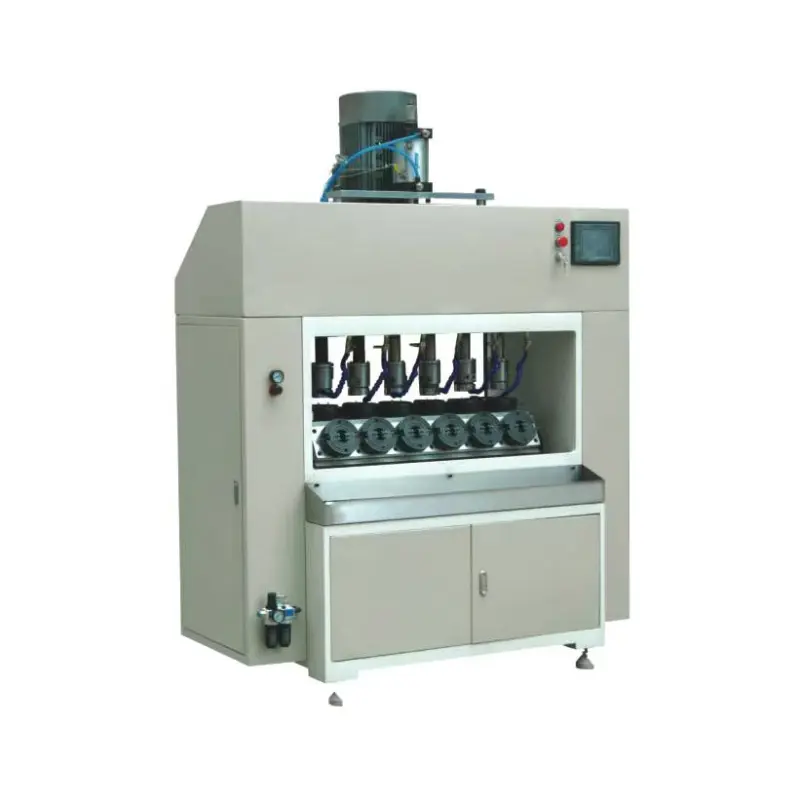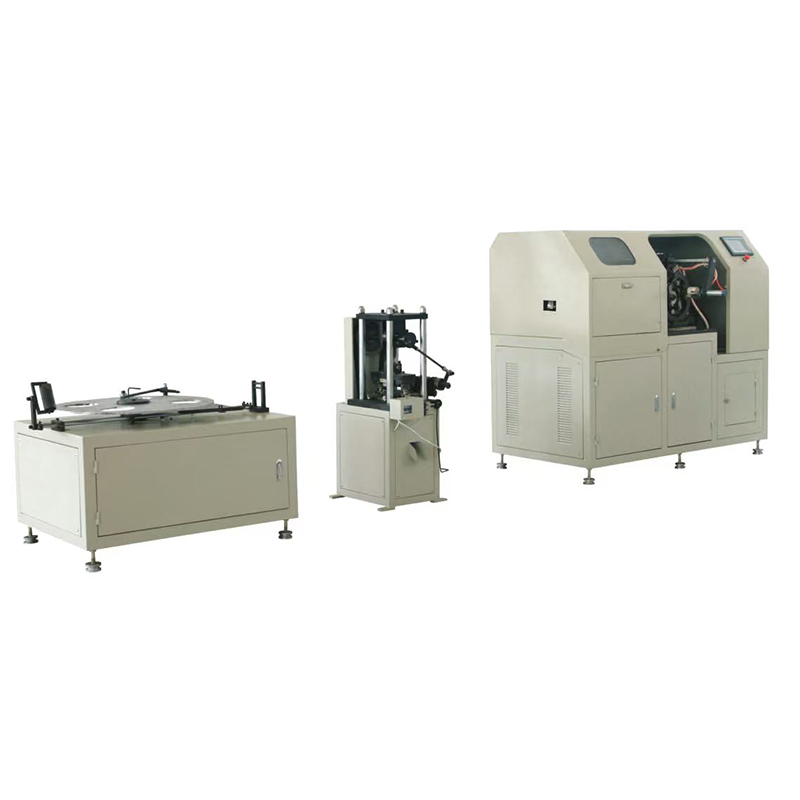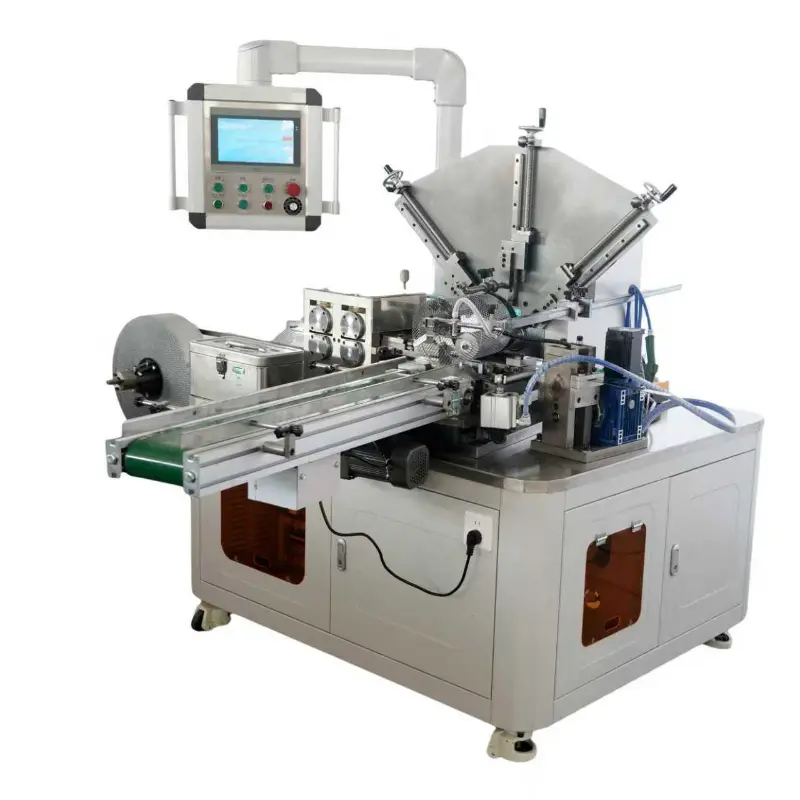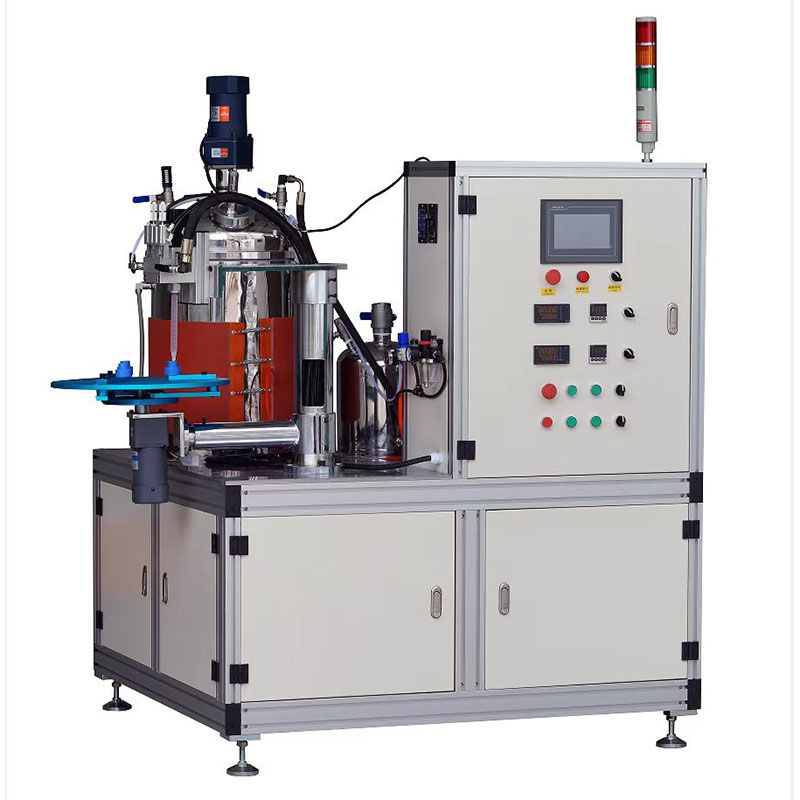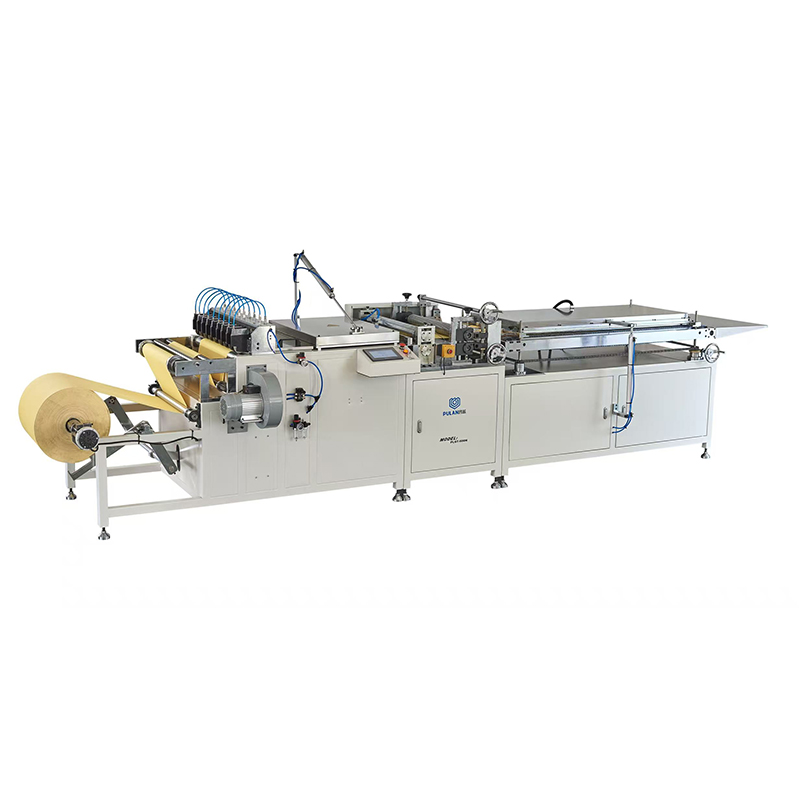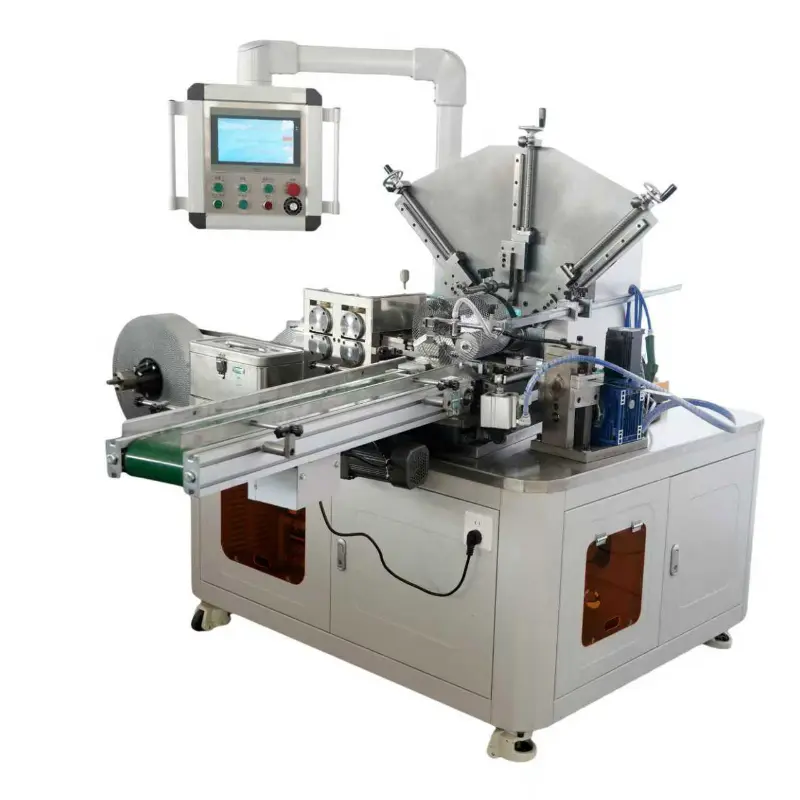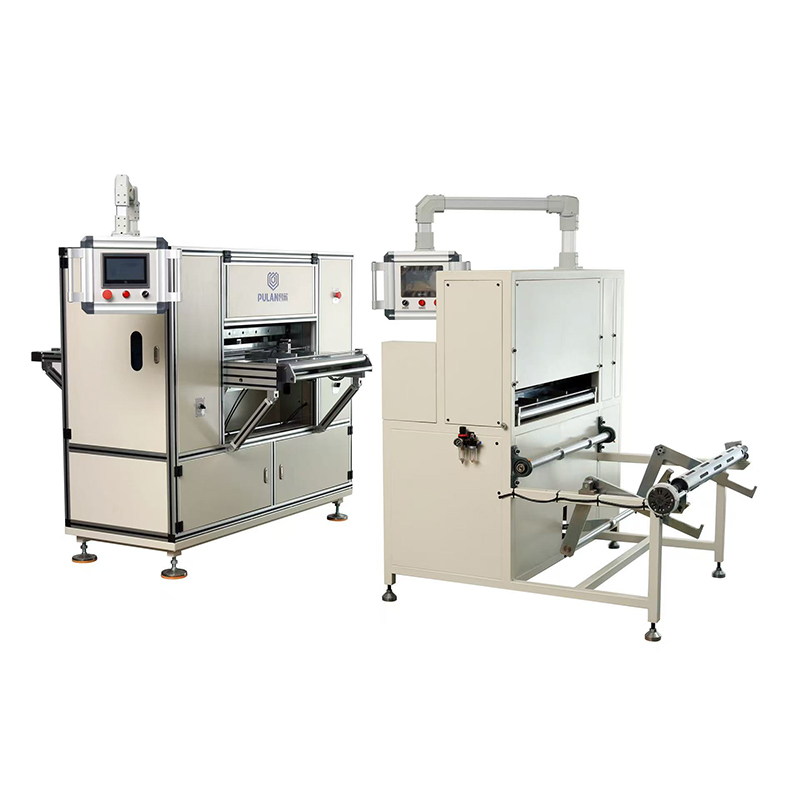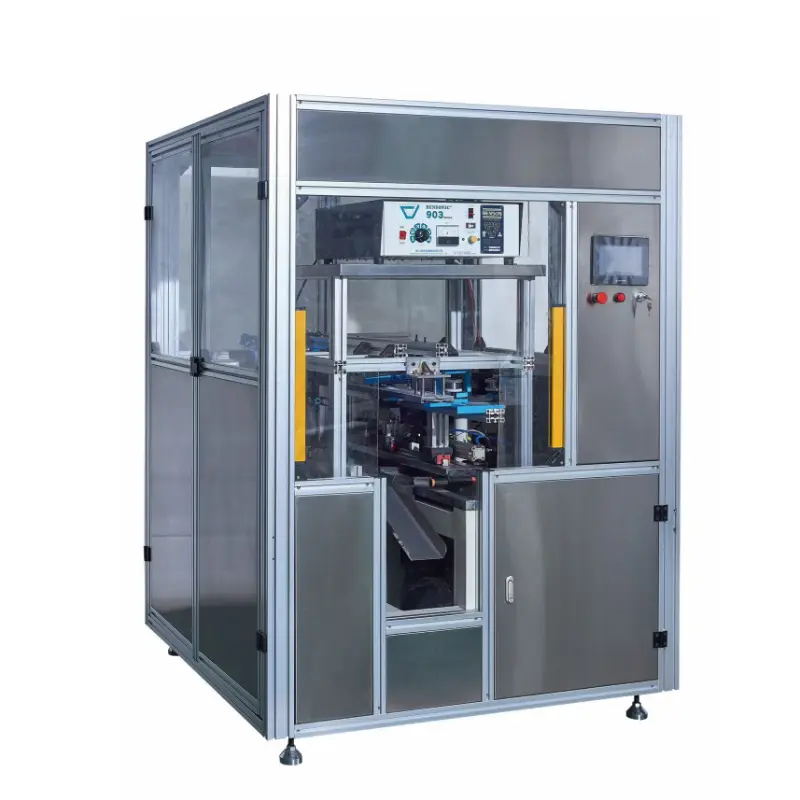
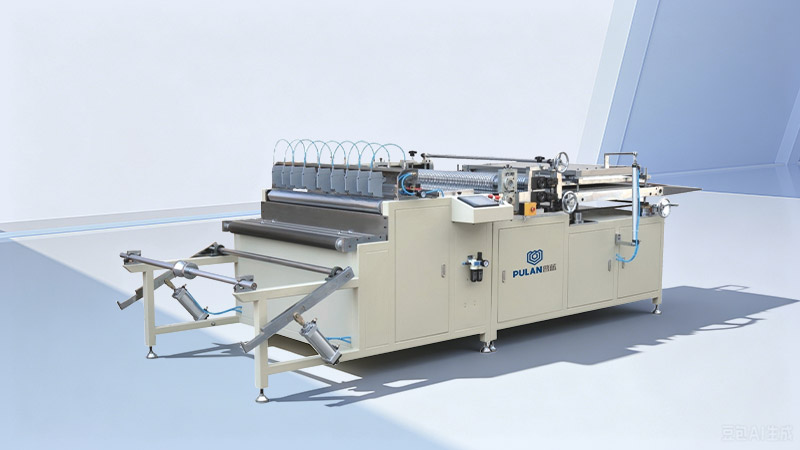
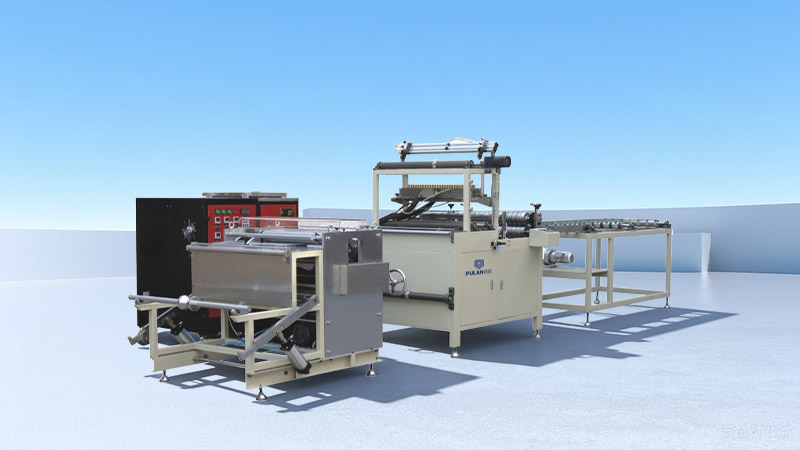

Hydraulic systems are the lifeblood of modern industry—powering excavators, presses, wind turbines, and countless other machines. Within these systems, hydraulic filters play a non-negotiable role: they remove particulates, prevent abrasive wear, and maintain fluid integrity. But the effectiveness of a hydraulic filter is determined not just by its design, but by the manufacturing precision with which it is produced.
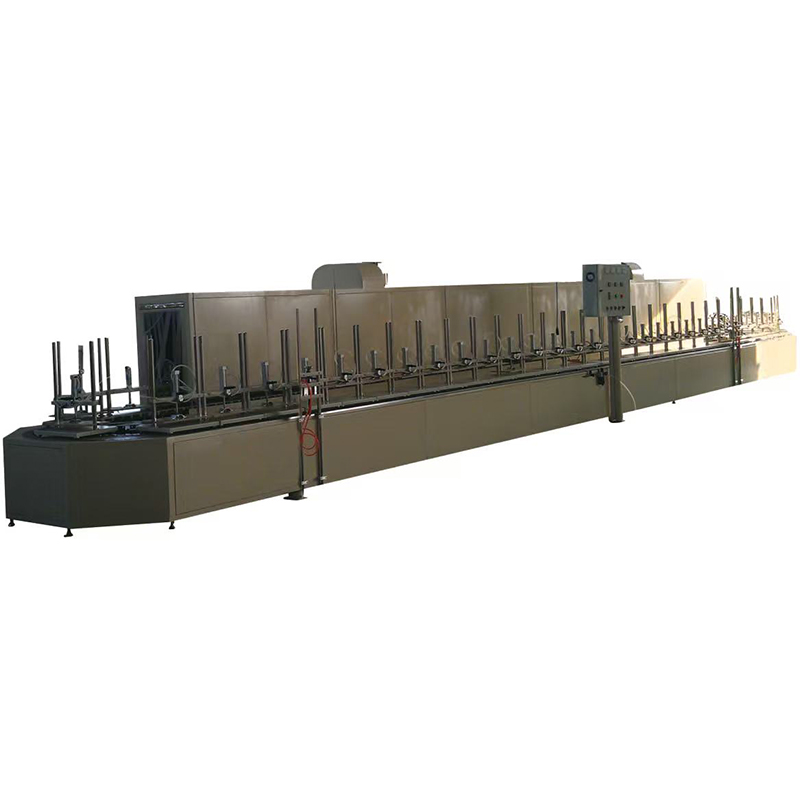
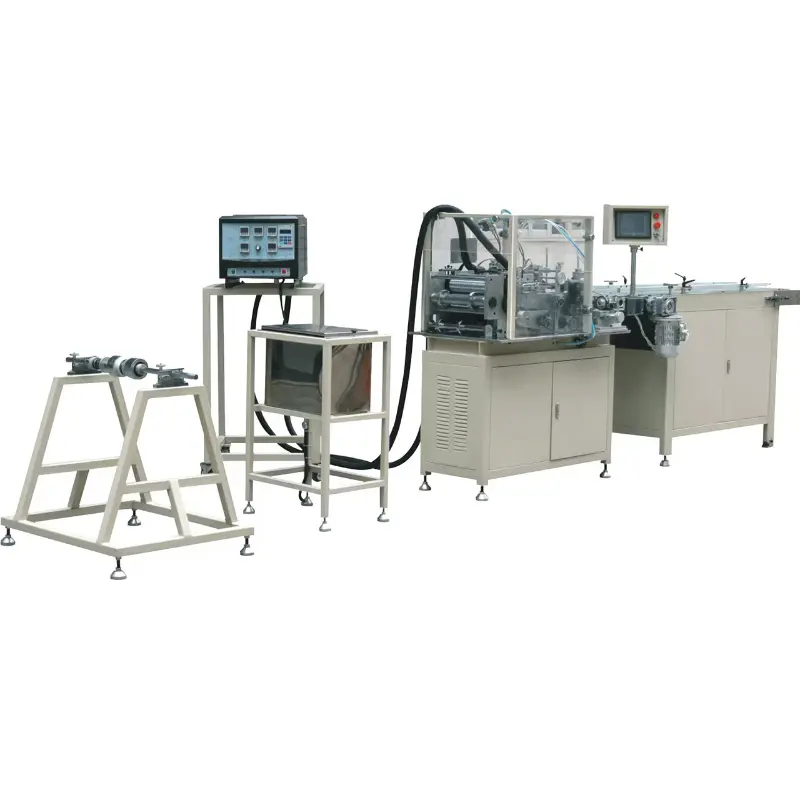
A hydraulic filter production line is a carefully orchestrated sequence of specialized machinery, each station performing a dedicated task. From pleating the media to bonding end caps and applying protective sleeves, the line transforms raw materials into a finished component that must withstand extreme pressures, temperature swings, and continuous operation. Pulan, a professional manufacturer in this domain, emphasizes that true efficiency comes not from standalone machines, but from a fully integrated system where each step is harmonized with the next.
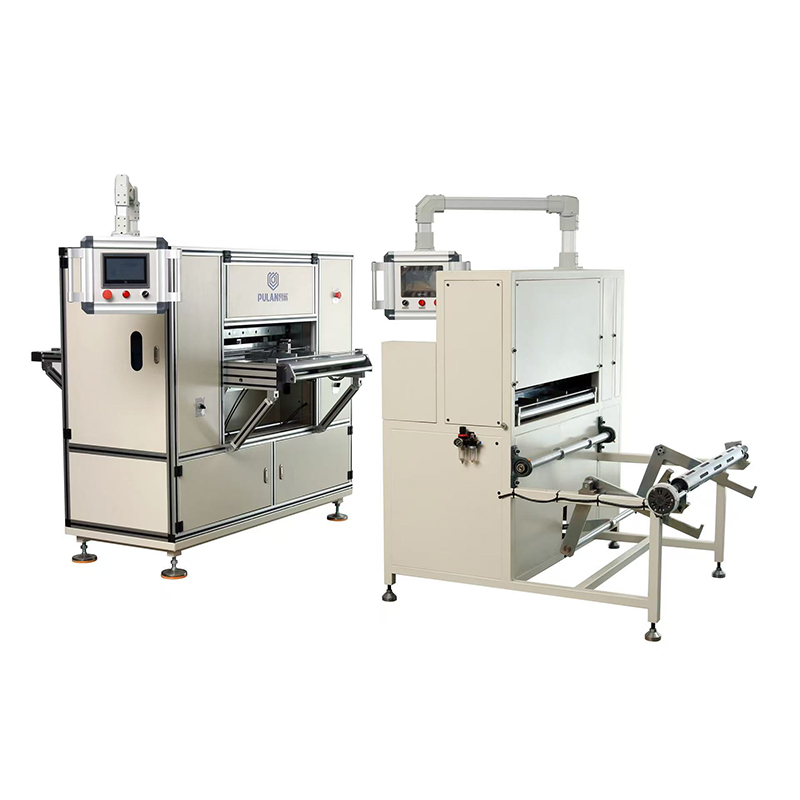
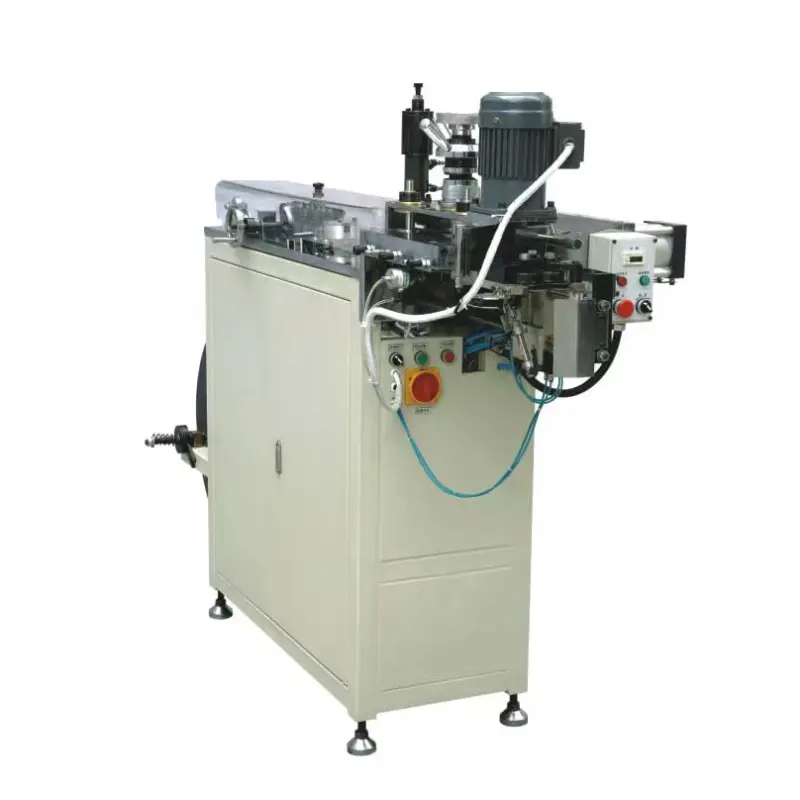
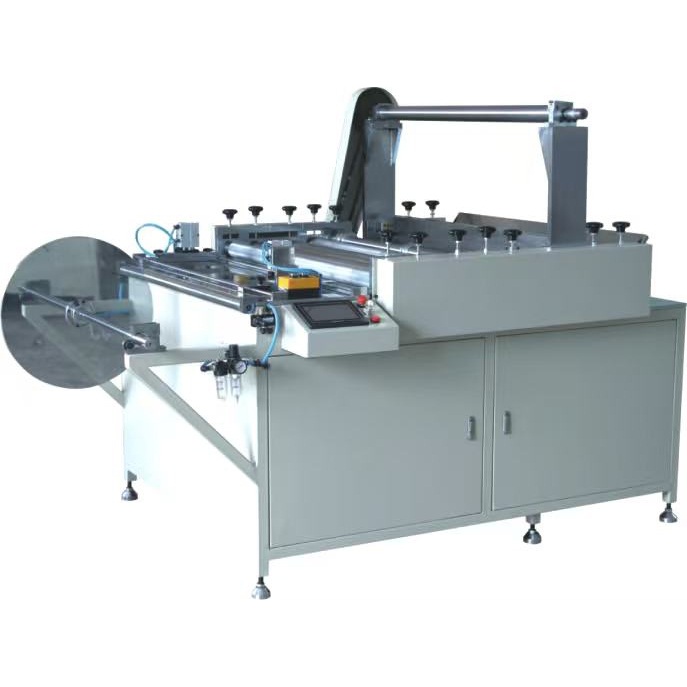
While production lines can be customized, a typical hydraulic filter manufacturing system comprises several essential modules. The following table outlines the primary stations and their functions:
| Station Module | Primary Function | Critical Parameter Controlled |
|---|---|---|
| Media Unwind & Pleating | Feeds filter paper or synthetic media from rolls and forms precise, uniform pleats. | Pleat height (typically 4–50 mm), pleat count per unit length. |
| Core Assembly & Seaming | Inserts the central perforated support tube and bonds the media seam to secure the pleated pack. | Adhesive application temperature & pressure, seam overlap. |
| Outer Sleeve Applicator | Applies a protective, shrinkable textile or nonwoven sleeve over the filter pack. | Shrink temperature, sleeve tension, overlap accuracy. |
| End Cap Bonding Station | Positions and adhesively bonds metal or plastic end caps to both ends of the element. | Cap alignment, adhesive cure time, compression force. |
| Sealing & Finishing | Installs O-rings, gaskets, and applies final protective packaging. | Gasket seating, final dimensional check. |
| Inline Testing & Inspection | Performs automated checks for structural integrity, dimensions, and marking. | Burst pressure, filtration rating, visual defects. |
Pulan's approach involves customizing this architecture based on the factory's spatial layout, targeted daily output, and the specific range of filter sizes to be manufactured—ensuring that the line is neither over-engineered nor under-capacitated.
The production sequence is a linear progression where each step adds value and complexity. Below is a step-by-step breakdown of a typical manufacturing cycle.
This sequential approach, when executed on a synchronized line, minimizes handling and exposes the element to minimal environmental contamination—a key factor in achieving high cleanliness standards.
Modern hydraulic filter production is defined by several technological breakthroughs that enhance both the quality of the output and the agility of the line.
Pulan integrates these technologies in a modular fashion, allowing clients to choose the level of automation that aligns with their budget and production complexity.
Quality in hydraulic filter manufacturing is multi-dimensional, encompassing mechanical integrity, filtration performance, and dimensional accuracy. A well-designed production line incorporates quality checks at every stage, rather than relying solely on end-of-line testing.
This integrated quality framework not only reduces scrap but also provides documented evidence of quality, which is invaluable for industries with strict compliance requirements (e.g., aerospace, mining).
Adopting a comprehensive production line from a specialist like Pulan offers distinct operational and strategic benefits:
Explore our solutions: www.wzpulan.com