
WENZHOU PULAN FILTER MACHINE CO., LTD
News

What Makes an HDAF Mesh Cutting and Rolling Machine Essential for Modern Filter Production?

2026-09-16 0 Leave me a message

An HDAF mesh cutting and rolling machine combines accurate mesh cutting with controlled rolling to help filter manufacturers produce consistent cylindrical support structures. By reducing manual handling, improving dimensional consistency, and simplifying repetitive operations, this type of equipment can help factories build a more stable and efficient production workflow.

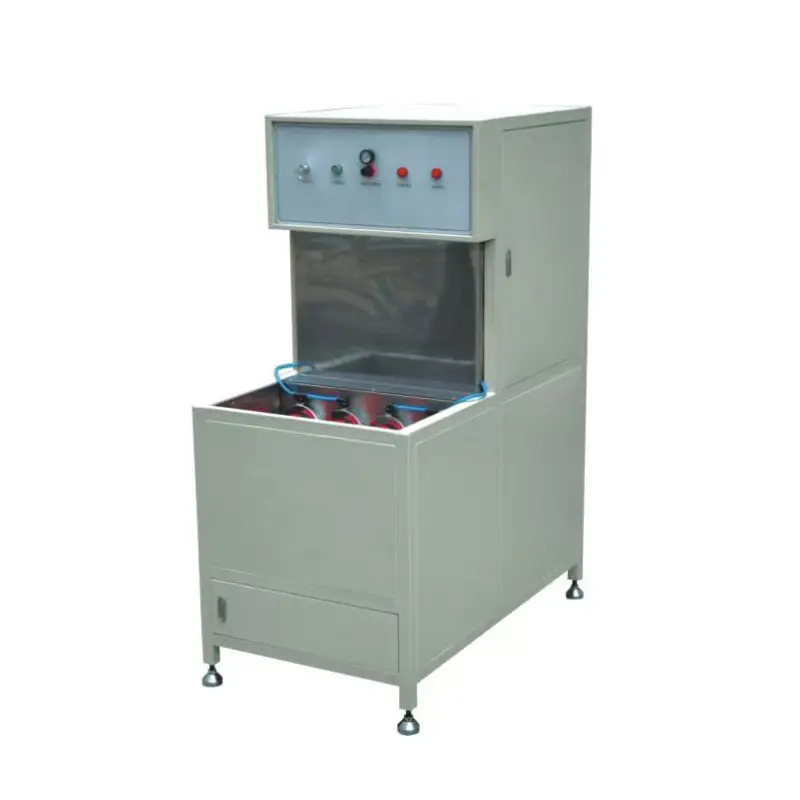
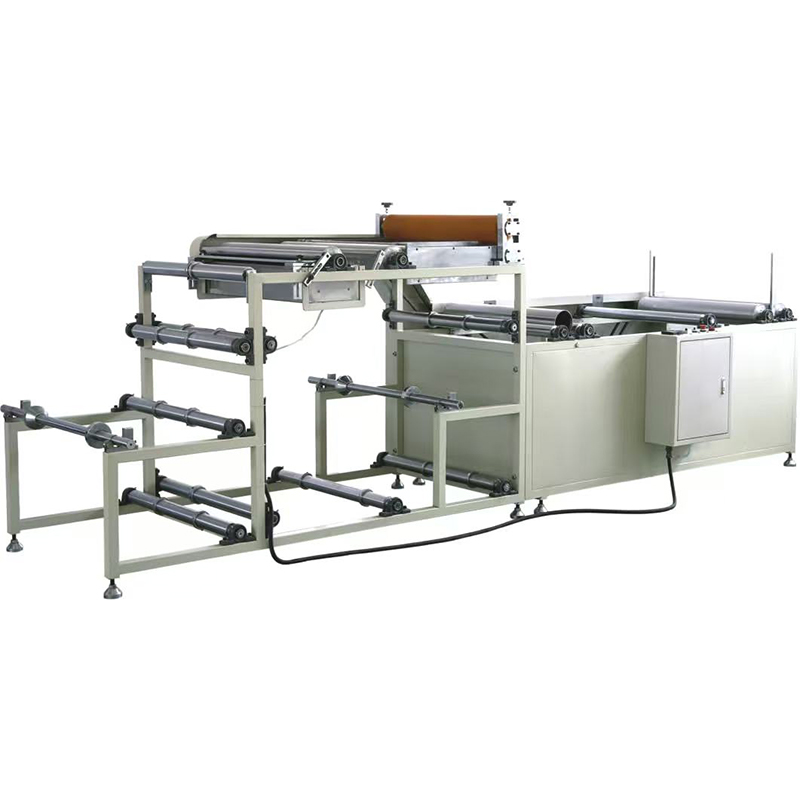
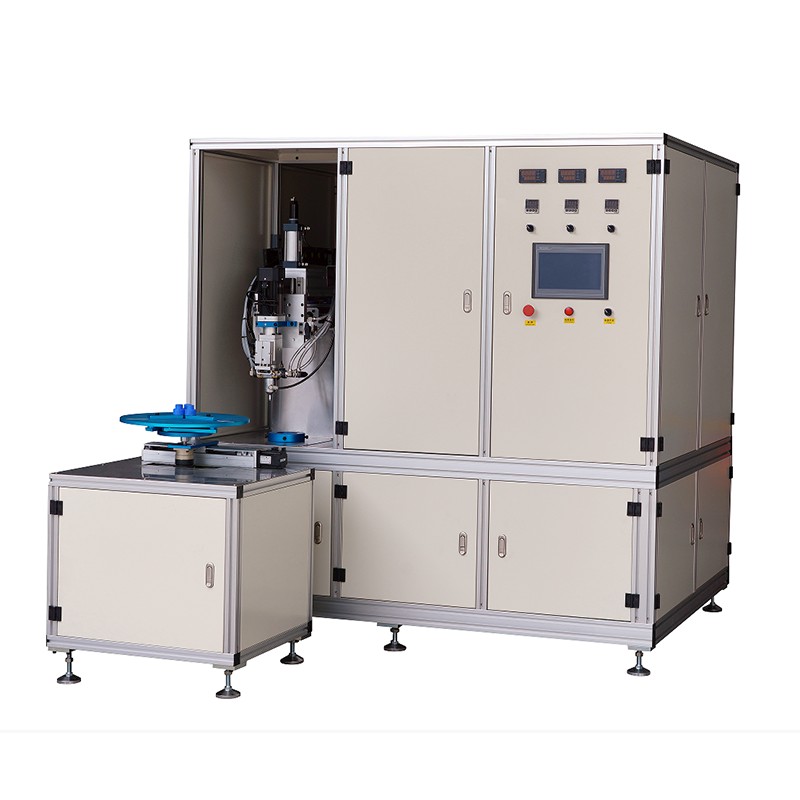
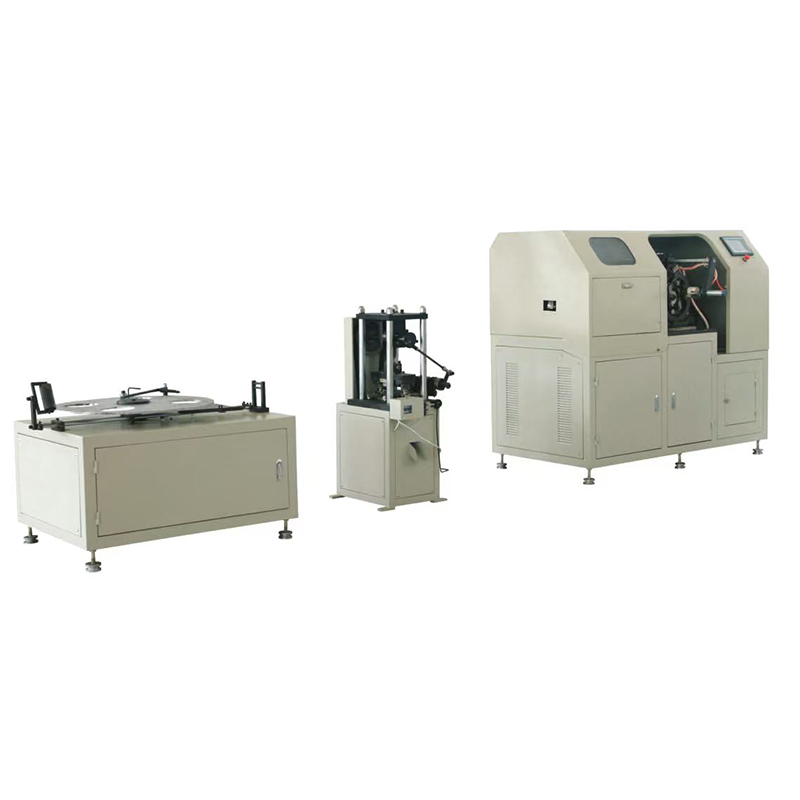
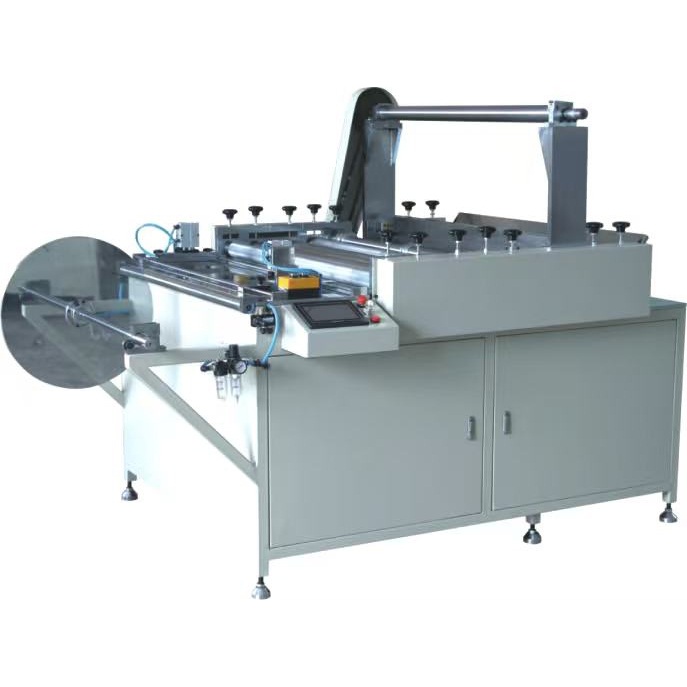
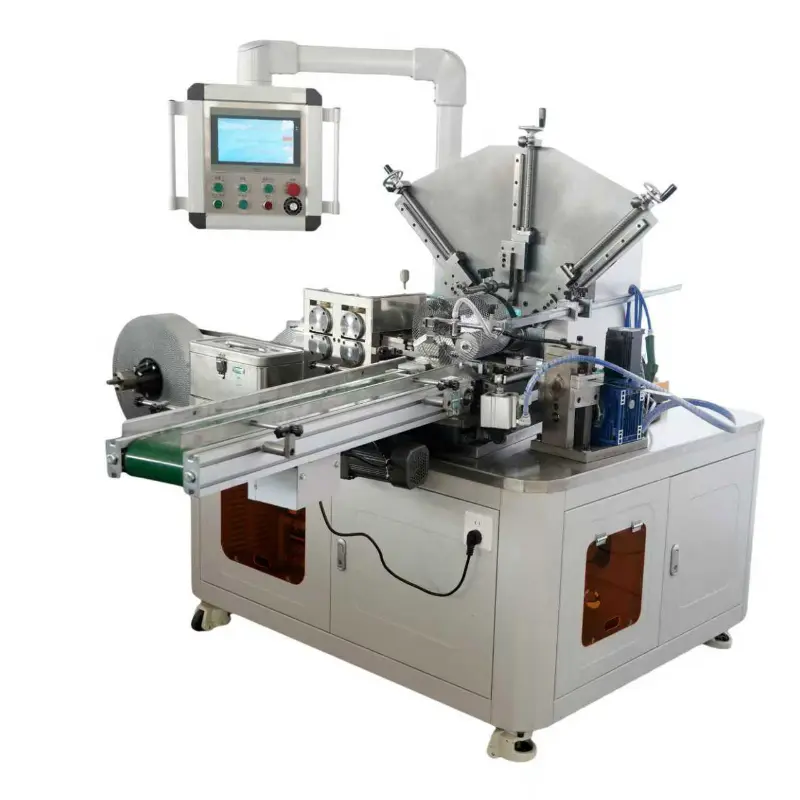
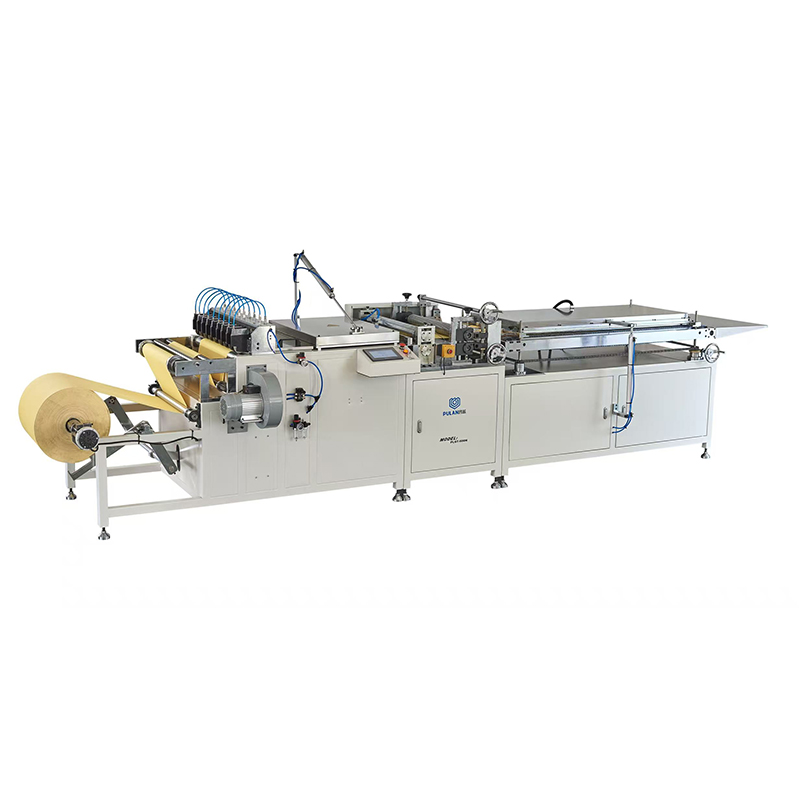
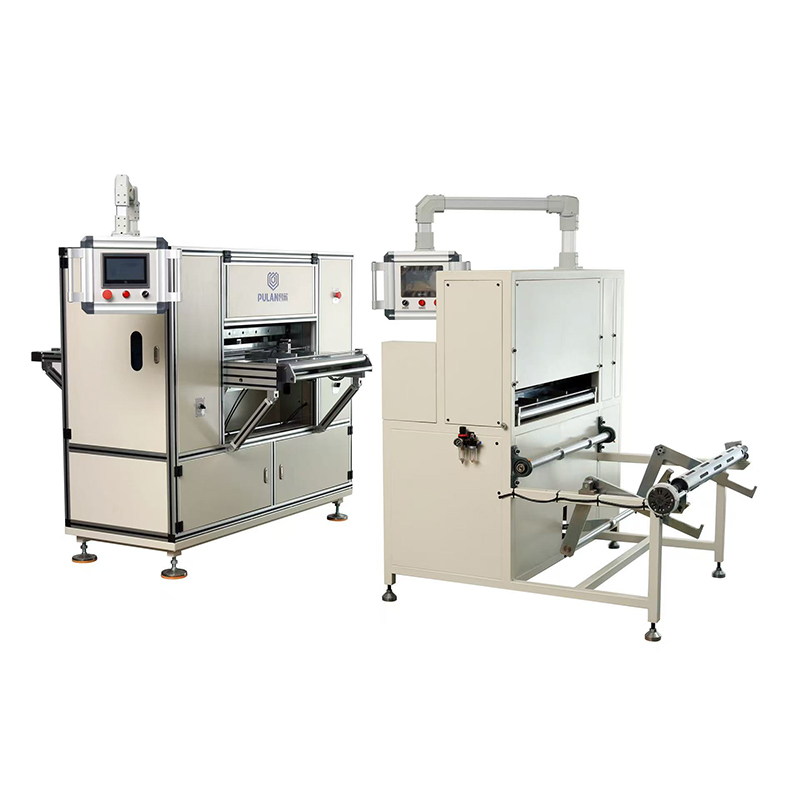
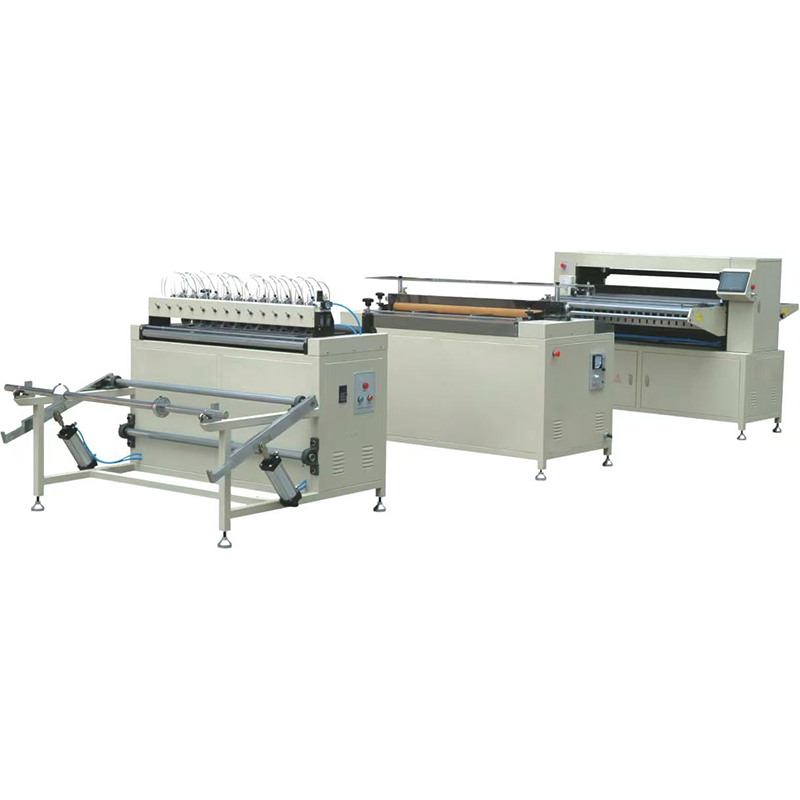
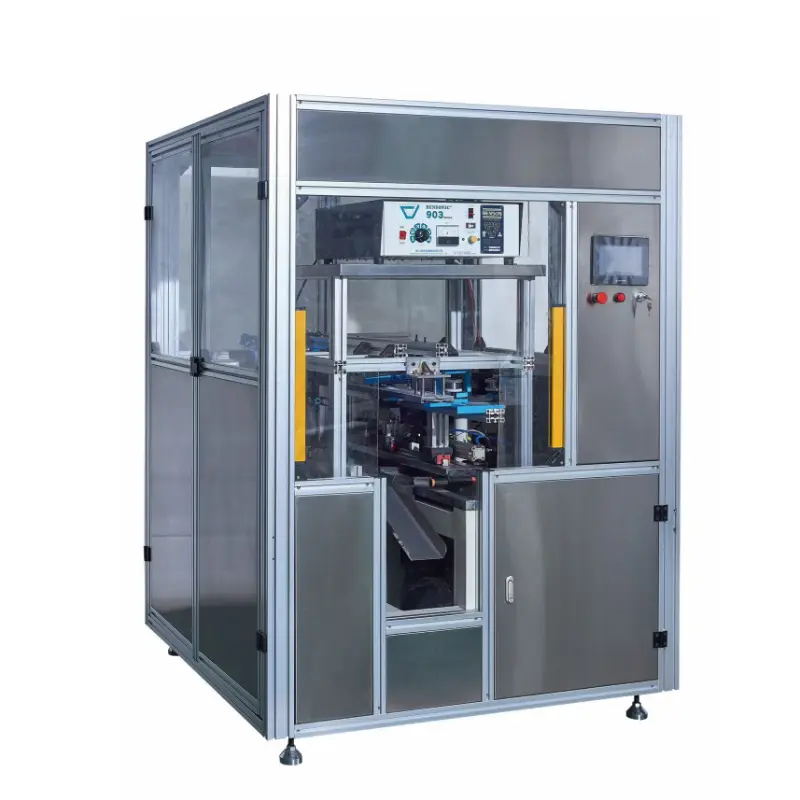
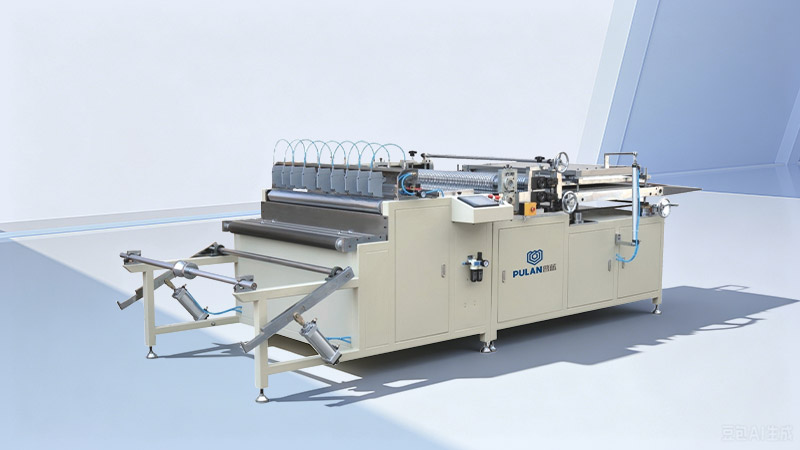
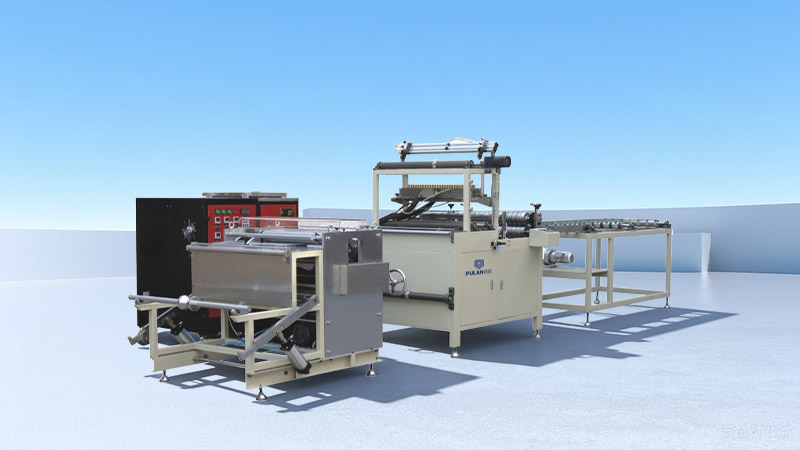
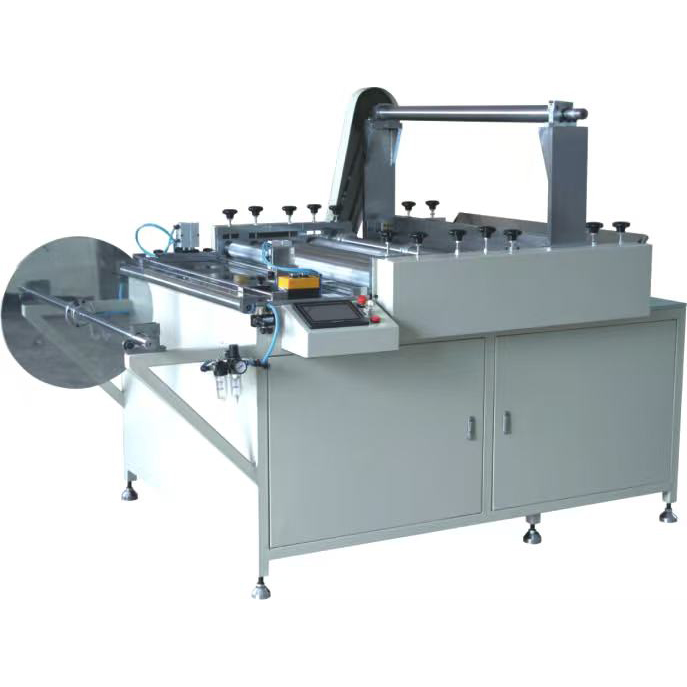
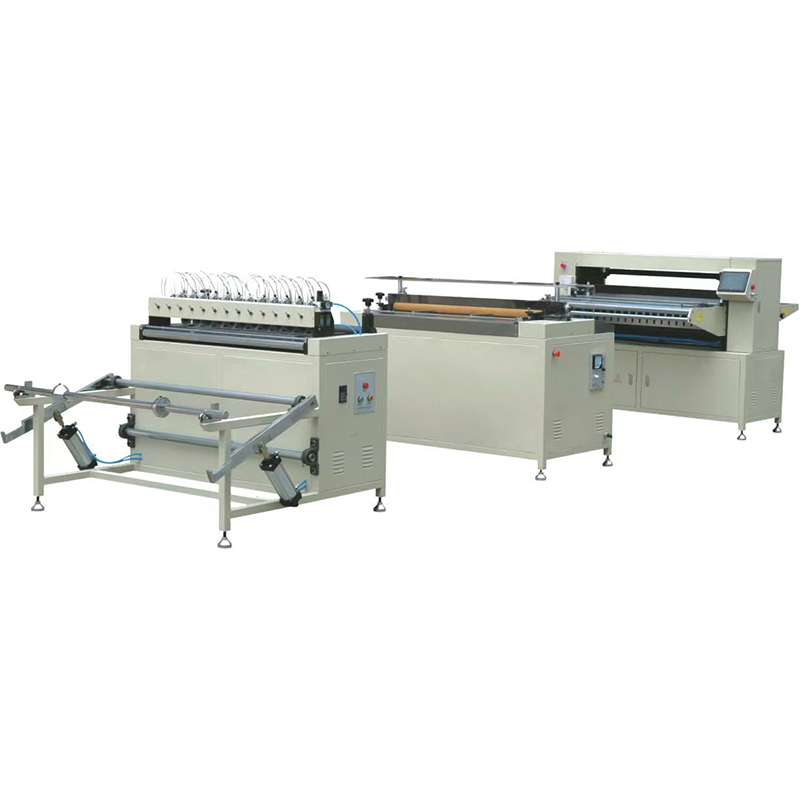
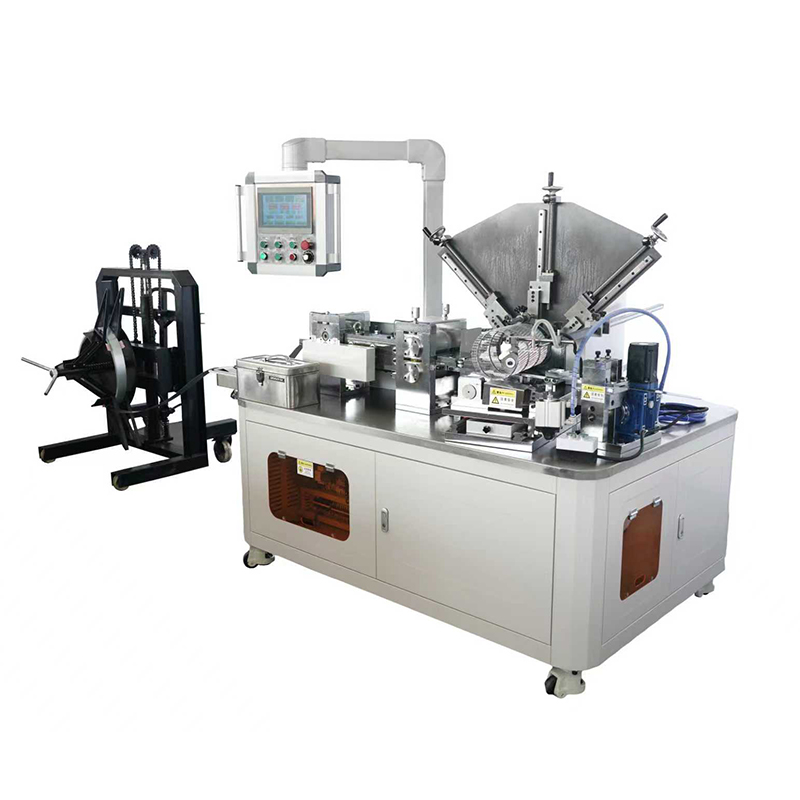
HDAF mesh cutting and rolling machine


Manufacturing heavy-duty air filters requires more than simply cutting a piece of metal mesh. The mesh must be prepared to the required dimensions, formed into a controlled cylindrical structure, and maintained with sufficient consistency for subsequent assembly. An HDAF Mesh Cutting And Rolling Machine is designed to integrate these critical operations into a more controlled process.

For filter manufacturers dealing with inconsistent cutting, excessive material waste, uneven rolling, labor-intensive production, or difficulties maintaining repeatable dimensions, automated mesh processing can provide a practical production solution. This article explains how the machine works, where it fits into a filter manufacturing process, what operational problems it can address, and which factors should be considered before purchasing equipment.

What Is an HDAF Mesh Cutting and Rolling Machine?

An HDAF Mesh Cutting And Rolling Machine is specialized equipment used to process metal mesh for heavy-duty air filter applications. HDAF commonly refers to heavy-duty air filtration applications in which the filter structure must maintain strength, dimensional stability, and reliable support during operation.

Instead of relying entirely on separate manual cutting and forming operations, an integrated machine can combine mesh preparation and rolling within one production workflow. This approach is particularly useful when manufacturers need to produce repeated batches of cylindrical filter structures with controlled dimensions.

The basic purpose is straightforward: take a suitable mesh or metal sheet material, cut it according to the required production dimensions, and form it into a controlled rolled shape. The final component can then move to subsequent processes such as welding, filter media assembly, end-cap installation, or other filter-element manufacturing stages.

Important production principle: The quality of the final rolled mesh depends not only on the rolling mechanism but also on material condition, cutting accuracy, feeding stability, machine adjustment, and the dimensional requirements of the finished filter.

How Does the Machine Process Filter Mesh?

A well-designed mesh cutting and rolling process should maintain a logical sequence from material feeding to finished forming. While the exact configuration can vary by machine model and customer requirements, the overall workflow generally includes the following stages.

01. Material Feeding

Mesh material is positioned and guided into the processing area. Stable feeding helps reduce deviation and improves repeatability during continuous production.

02. Length Control

The required cutting length is established according to the filter specification. Digital or programmable controls can simplify repeated production settings.

03. Mesh Cutting

The material is cut to the required dimensions. Consistent cutting is important because dimensional variation can influence subsequent rolling and assembly.

04. Rolling and Forming

The prepared mesh passes through the forming section and is rolled to the required diameter or cylindrical geometry.

In practical filter manufacturing, cutting and rolling should not be treated as completely independent operations. A small error during cutting can become more noticeable after forming. Therefore, a coordinated process helps manufacturers maintain dimensional consistency from the beginning of production to final assembly.

Which Production Problems Can It Solve?

Filter manufacturers often face challenges that are not caused by one individual machine. Labor methods, material variation, production speed, operator experience, and repeated adjustment can all influence the finished component. An integrated mesh cutting and rolling machine can help address several common issues.

Production Challenge Potential Effect Integrated Processing Approach
Inconsistent cutting length Difficult downstream assembly Controlled length settings and repeatable cutting
Uneven rolling Inconsistent filter geometry Controlled forming and adjustable rolling parameters
High manual workload Higher labor dependence Mechanized feeding, cutting, and rolling operations
Material waste Higher production cost More controlled cutting and production planning
Frequent manual adjustment Production interruptions Repeatable machine settings for standard products

The goal is not simply to increase machine speed. For filter production, stable output is often more valuable than maximum theoretical speed. A machine that consistently produces usable components can reduce rework, simplify quality checks, and make production scheduling easier.

Key Machine Features to Examine

When evaluating an HDAF Mesh Cutting And Rolling Machine, buyers should look beyond the equipment name. Different filter products require different dimensions, materials, and forming conditions. The following technical factors deserve particular attention.

  • Cutting accuracy: The machine should provide repeatable cutting dimensions suitable for the intended filter structure.
  • Rolling diameter range: The available forming range should correspond to the diameters required by current and planned filter products.
  • Material compatibility: Confirm whether the machine is suitable for the mesh thickness, material type, and structural characteristics used in production.
  • Production capacity: Output should be evaluated against actual production demand rather than relying only on maximum theoretical figures.
  • Control system: Clear controls and repeatable parameter settings can reduce operator dependence.
  • Machine rigidity: A stable mechanical structure is important for maintaining forming consistency during continuous operation.
  • Adjustment flexibility: Different filter sizes may require different cutting and rolling parameters.
  • Safety design: Cutting and forming equipment should include appropriate guarding, emergency controls, grounding, and operating procedures.
  • After-sales support: Installation guidance, spare parts, troubleshooting, and technical assistance can influence the long-term value of the equipment.
Buyer tip:

Always provide the supplier with actual mesh samples, target dimensions, required rolling diameter, material thickness, production volume, and power requirements before finalizing a machine configuration.

Where Is HDAF Mesh Cutting and Rolling Equipment Used?

The primary application is heavy-duty air filter manufacturing, particularly where metal mesh is used as an internal or external supporting structure. Similar mesh forming principles may also be relevant to other filtration components when their dimensions and material characteristics fall within the machine's working range.

Heavy-Duty Air Filters

Support structures for cylindrical filtration elements.

Industrial Filtration

Mesh components used in demanding filtration environments.

Filter Element Production

Mesh processing integrated into broader manufacturing lines.

For manufacturers producing multiple filter specifications, machine flexibility becomes especially important. The ideal setup should allow production teams to change dimensions efficiently without creating unnecessary downtime between batches.

Manual Processing vs. Integrated Machine Processing

Manual processing may be appropriate for prototypes, very small production volumes, or situations where product specifications change constantly. However, repetitive commercial production creates different requirements.

Factor Manual Method Machine-Assisted Method
Consistency Highly dependent on operator skill More repeatable settings
Labor More manual intervention Reduced repetitive handling
Production Scale Better suited to limited quantities Better suited to repetitive production
Adjustment Flexible but time-consuming Repeatable parameter-based adjustment
Quality Control More operator-dependent More consistent process control

The correct solution depends on the manufacturer's production scale and product portfolio. The objective should be to match the equipment to real production requirements rather than automatically selecting the most complex configuration.

What Should Buyers Consider Before Purchasing?

Purchasing industrial equipment is a long-term production decision. The initial machine price is only one part of the total investment. Buyers should evaluate the complete operating process before making a decision.

  1. Define the finished filter dimensions. List the minimum and maximum filter diameters, heights, and mesh dimensions.
  2. Confirm material specifications. Identify the mesh material, thickness, width, and mechanical characteristics.
  3. Calculate actual production demand. Estimate daily, monthly, and peak production requirements.
  4. Check available factory conditions. Consider floor space, electrical supply, ventilation, material storage, and operator access.
  5. Ask for sample production. Whenever possible, provide actual material samples and request production testing.
  6. Review control requirements. Confirm whether operators can easily adjust length, diameter, speed, and other required parameters.
  7. Evaluate service capability. Clarify installation support, training, spare parts, warranty conditions, and technical communication.
  8. Consider future products. A machine that supports a reasonable range of specifications can provide greater flexibility as product requirements evolve.

WENZHOU PULAN FILTER MACHINE CO., LTD. can be presented as a professional equipment partner for customers looking for filter manufacturing machinery and mesh processing solutions. When discussing a specific machine configuration, manufacturers should communicate their product dimensions and material requirements in detail so that the equipment can be matched to the actual production process.

Maintenance and Production Stability

Even a well-designed machine requires proper maintenance. Cutting and rolling equipment operates through repeated mechanical movement, so routine inspection can help identify wear before it develops into a larger production problem.

  • Inspect cutting components regularly and replace worn parts when necessary.
  • Keep material feeding and guiding areas clean and free from accumulated metal debris.
  • Check rollers and forming components for abnormal wear or alignment problems.
  • Verify fasteners, electrical connections, grounding, and safety devices according to the manufacturer's instructions.
  • Monitor unusual noise, vibration, temperature, or repeated dimensional deviation.
  • Maintain a record of maintenance activities and replacement parts.
  • Train operators to use the machine according to the specified operating procedures.

Preventive maintenance is especially important for factories running long production cycles. A small mechanical deviation can gradually influence cutting accuracy or rolling consistency, making early inspection an important part of production management.
Frequently Asked Questions

What is an HDAF Mesh Cutting And Rolling Machine used for?

It is used to cut and roll metal mesh into controlled dimensions and cylindrical structures for heavy-duty air filter manufacturing and related filtration applications.

Can one machine process different filter sizes?

Many machines are designed with adjustable cutting and rolling parameters, but the actual working range depends on the specific model and configuration. Buyers should confirm the required dimensions with the manufacturer before ordering.

Why is cutting accuracy important before rolling?

The dimensions of the cut mesh directly influence the final rolled structure. Inaccurate cutting can lead to dimensional inconsistencies, material waste, or difficulties during subsequent assembly.

Does automated mesh processing reduce manual labor?

Integrated equipment can reduce repetitive manual operations by combining controlled feeding, cutting, and forming processes. The actual labor reduction depends on the production line configuration and the level of automation.

What materials can be processed?

Material compatibility depends on the machine design. Metal mesh and related materials commonly used in filter manufacturing may be suitable, but the material type, thickness, width, and mechanical properties should be confirmed before purchase.

How can buyers select the appropriate machine configuration?

Start with the finished filter specifications, mesh material, required diameter range, production volume, available factory utilities, and downstream processes. These details allow the supplier to recommend a configuration based on actual production requirements.

What should be included in a machine acceptance test?

A practical acceptance test can include cutting accuracy, rolling dimensions, production repeatability, operating controls, safety functions, and the ability to process the customer's actual material under agreed production conditions.

Conclusion

An HDAF Mesh Cutting And Rolling Machine plays an important role in the preparation of metal mesh structures for heavy-duty air filter production. By bringing cutting and rolling operations into a controlled workflow, the equipment can help manufacturers improve dimensional consistency, reduce repetitive manual work, manage material usage, and create a more stable production process.

However, machine selection should always begin with the actual filter product rather than a generic equipment specification. Mesh material, thickness, cutting dimensions, rolling diameter, production capacity, factory conditions, control requirements, and future product plans all influence the appropriate configuration.

For manufacturers developing or upgrading a filtration production line, working directly with an experienced equipment supplier can make it easier to define the right technical parameters and avoid unnecessary investment. WENZHOU PULAN FILTER MACHINE CO., LTD. can support customers in evaluating filter machinery requirements and developing practical equipment solutions according to specific production needs.

Build a More Consistent Filter Production Process

Looking for an HDAF Mesh Cutting And Rolling Machine for your filter manufacturing project? Share your mesh material, product dimensions, rolling diameter, and production requirements with WENZHOU PULAN FILTER MACHINE CO., LTD. for a more suitable equipment solution.

Contact us to discuss your filter machinery requirements and production goals.

Related News
Leave me a message
X
We use cookies to offer you a better browsing experience, analyze site traffic and personalize content. By using this site, you agree to our use of cookies.Privacy Policy
RejectAccept