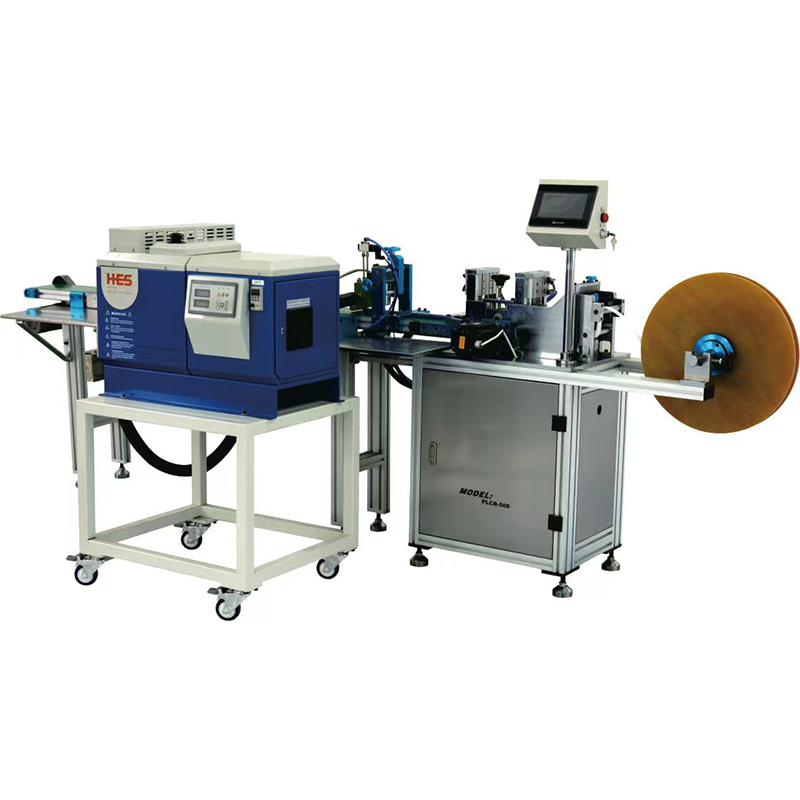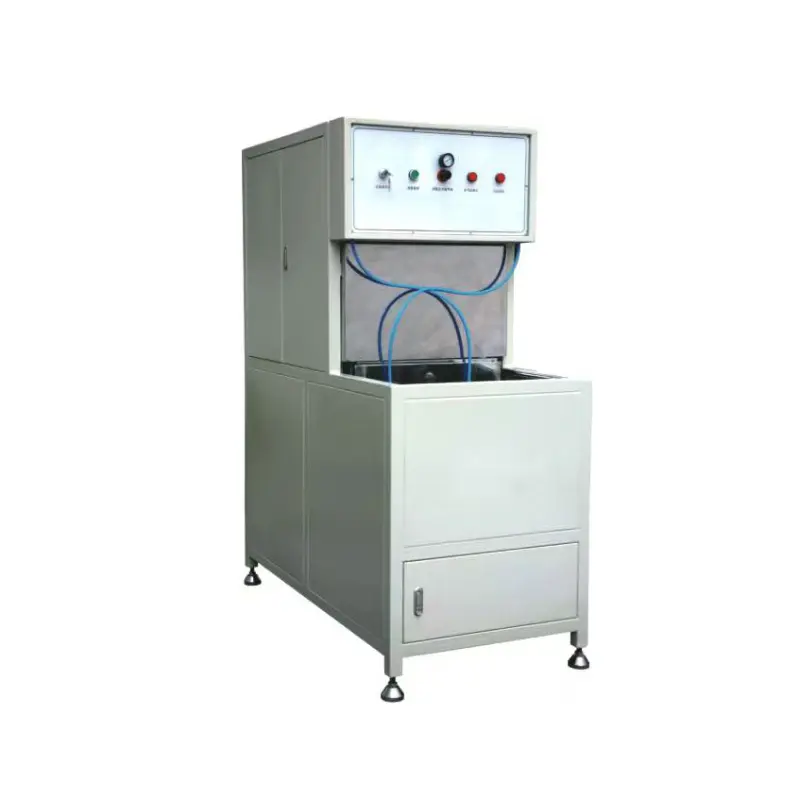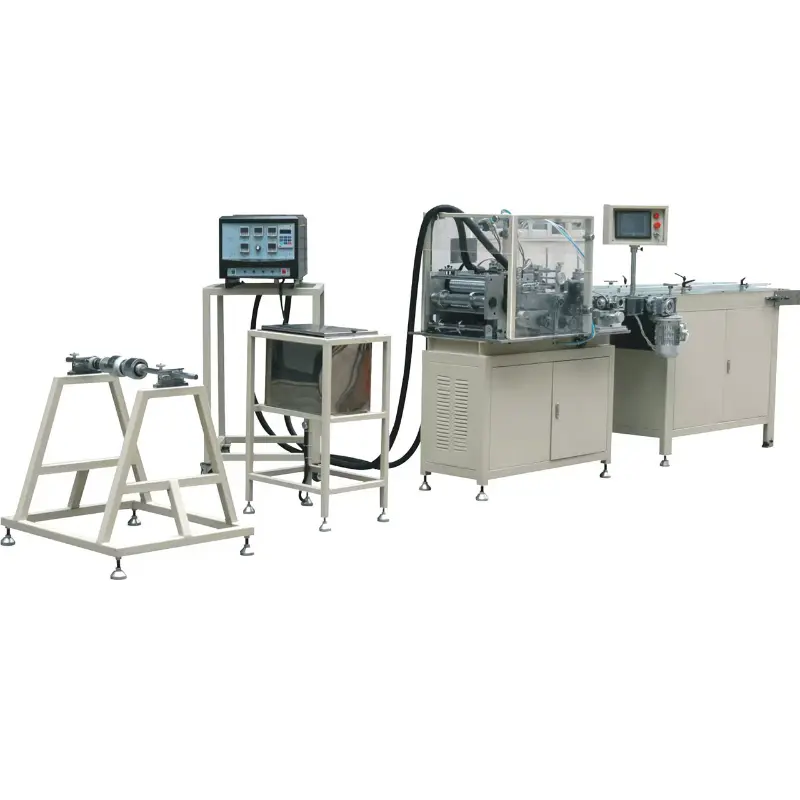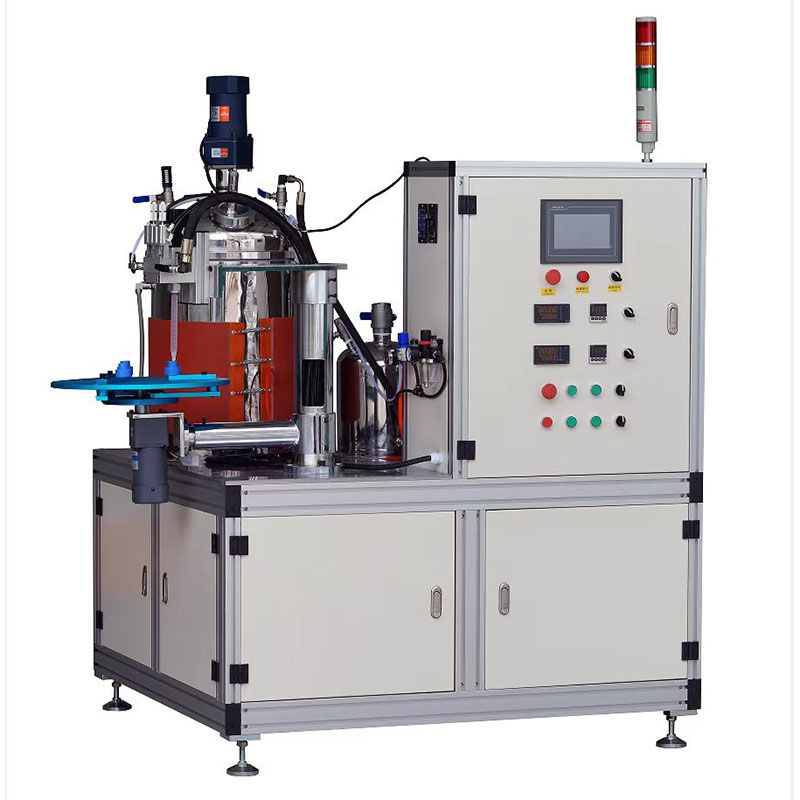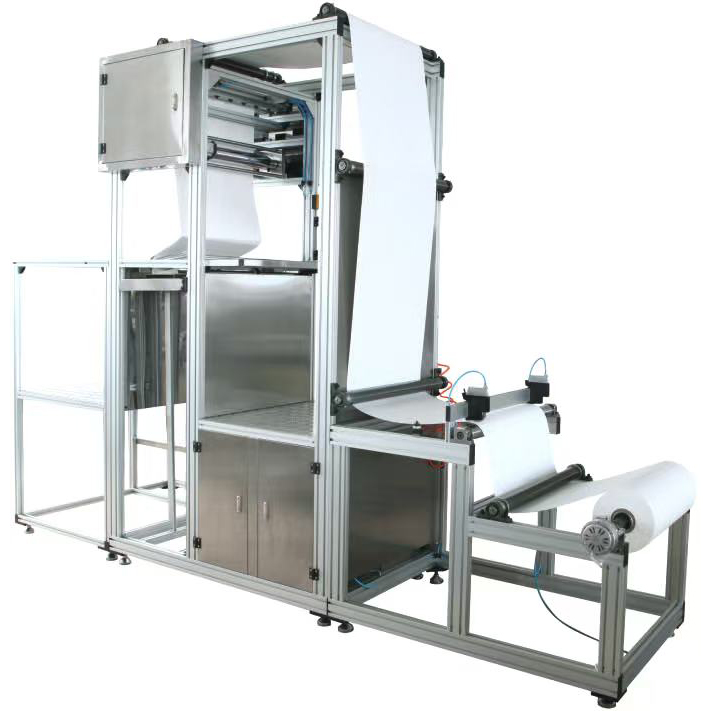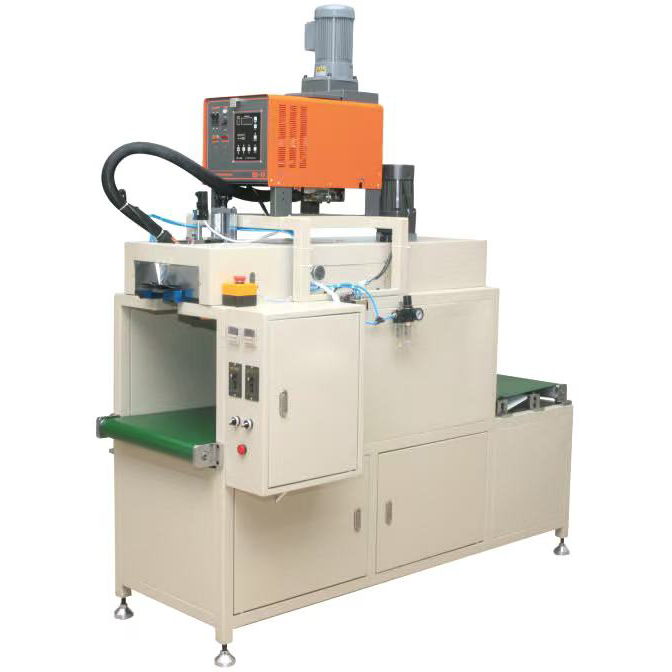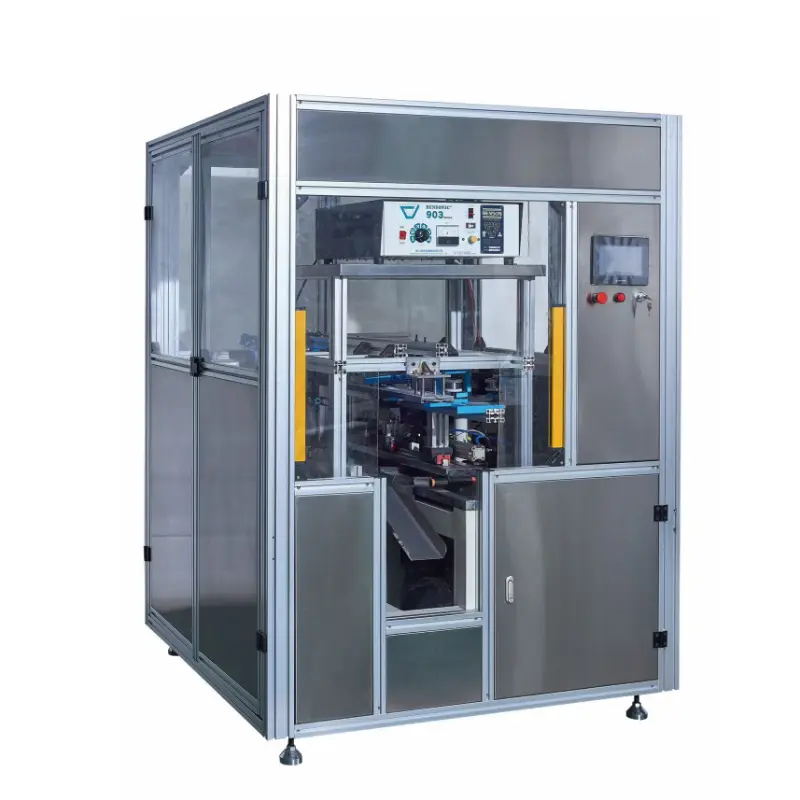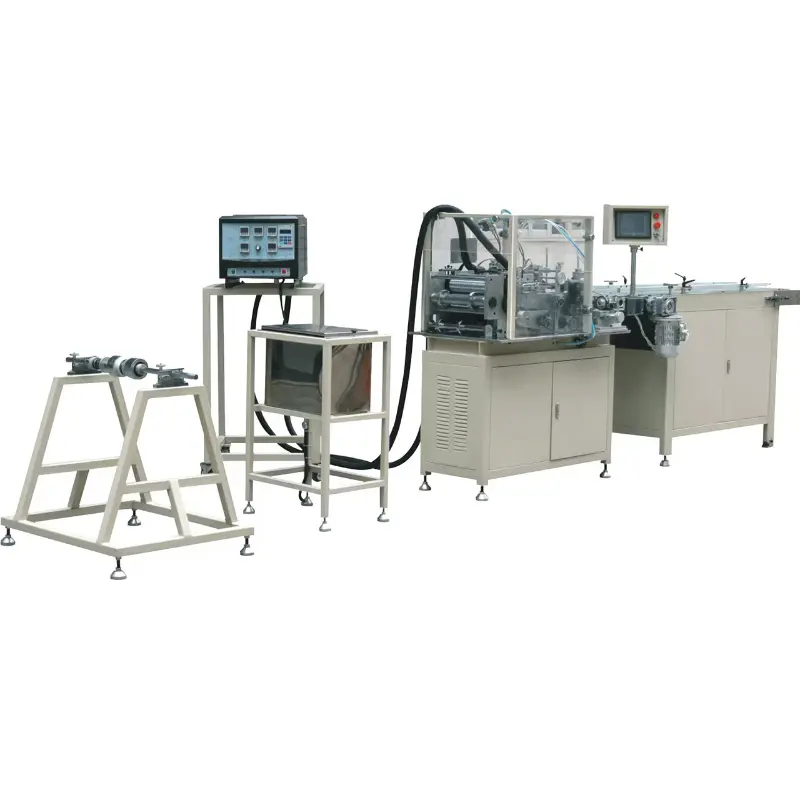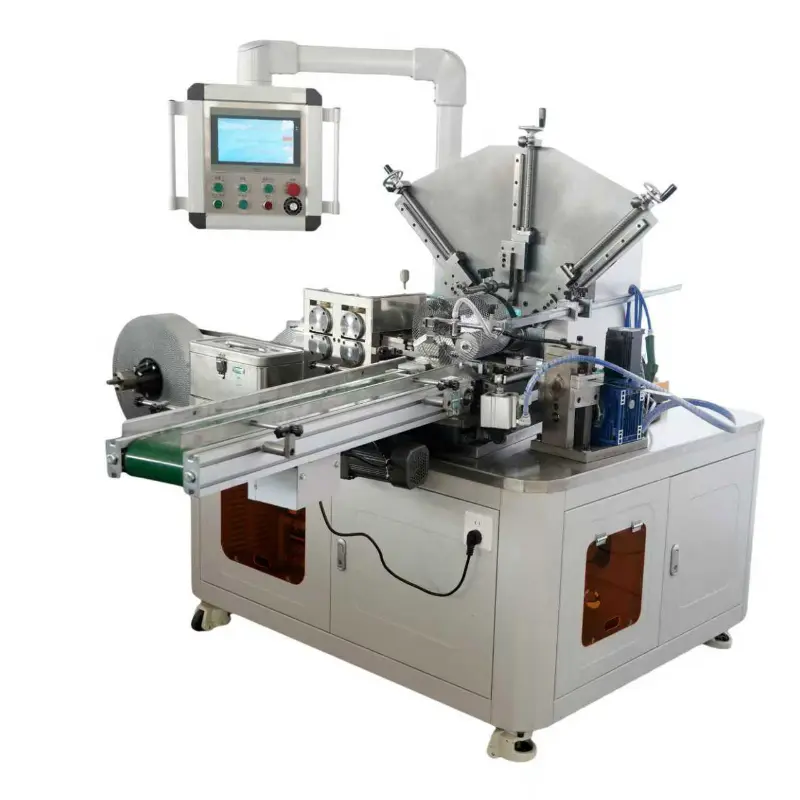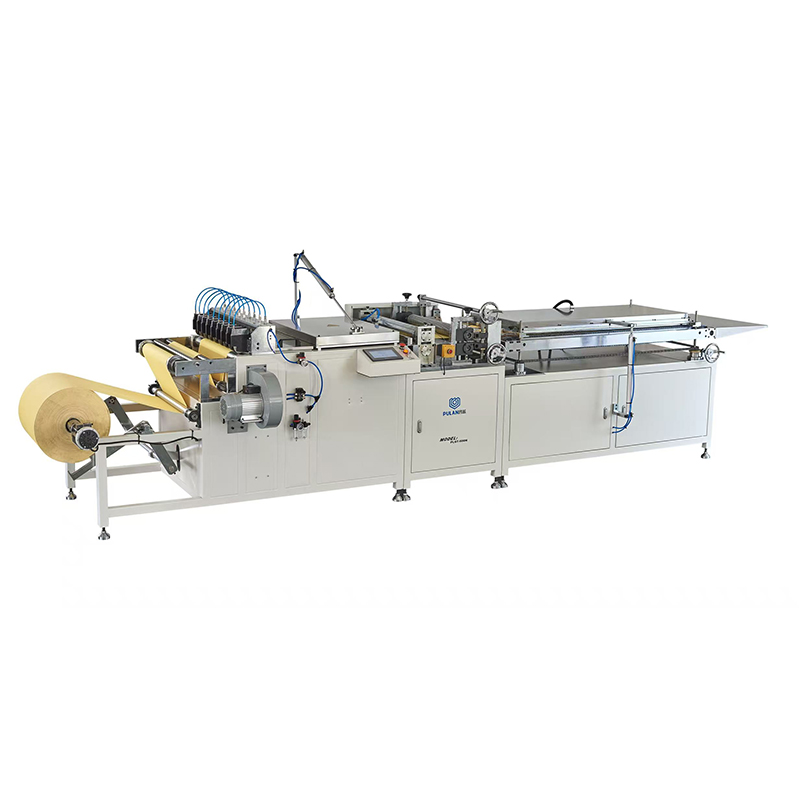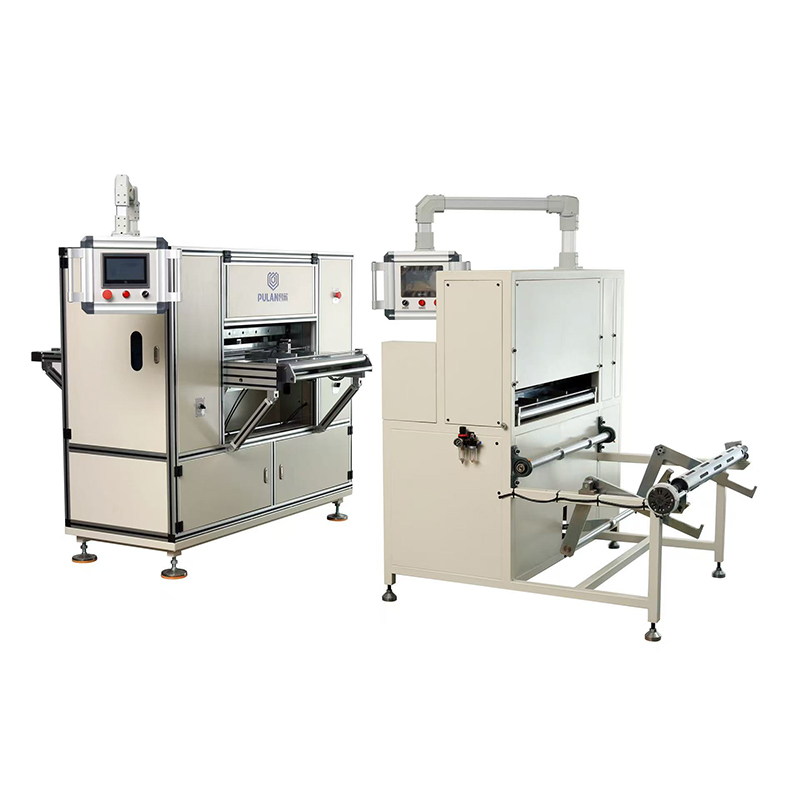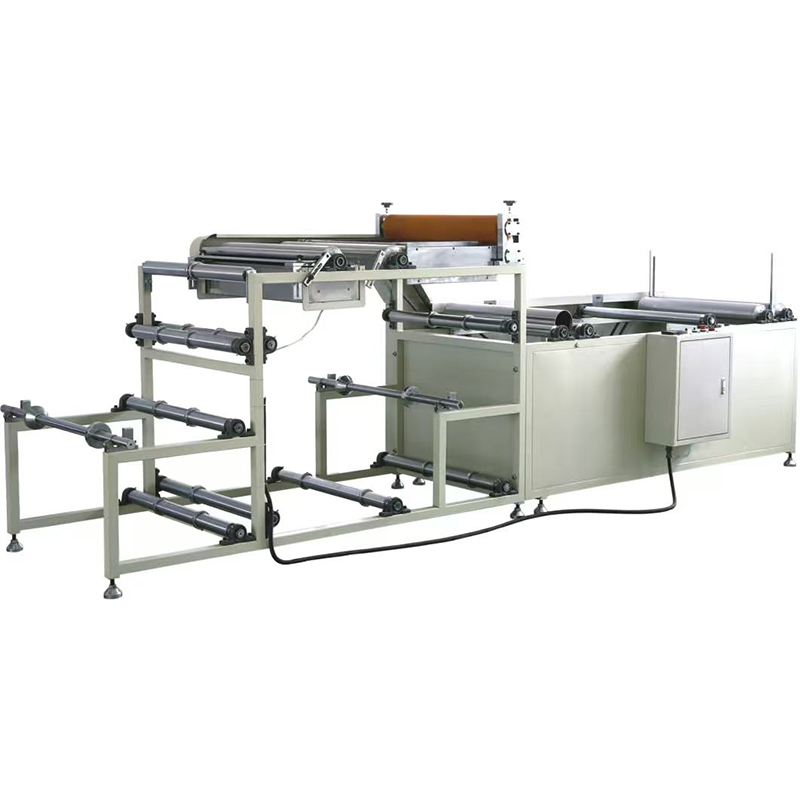
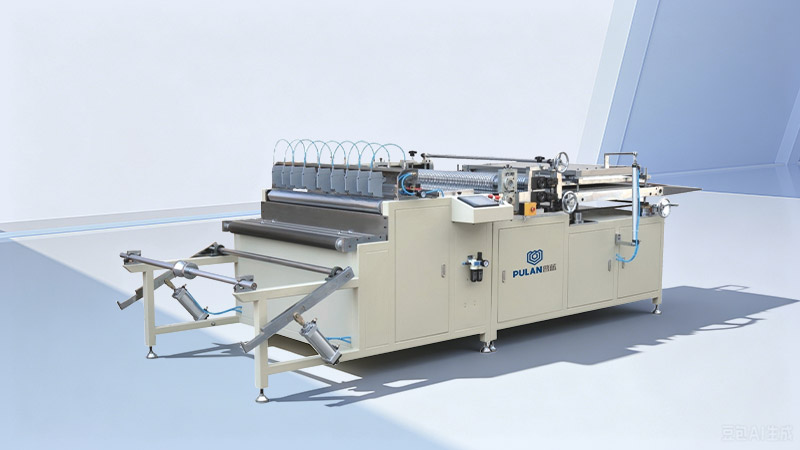
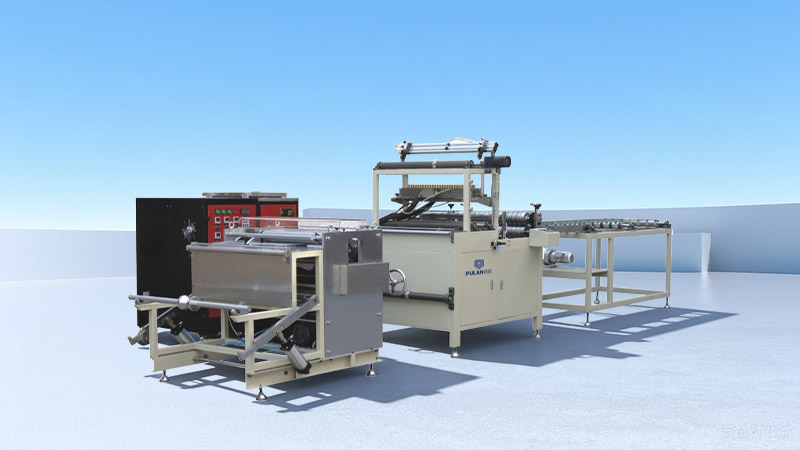

Filter production equipment encompasses a specialized range of industrial machinery designed to manufacture various types of filters. These machines automate the complex, multi-step processes required to transform raw materials—such as paper, metal mesh, and synthetic fibers—into finished filtration products. At its core, this equipment handles tasks like pleating, gluing, assembling, and testing filter elements. As noted by industry experts, "filter manufacturing machines have become a crucial component in various industries... ensuring the safety and efficiency of systems".
For a manufacturer like Pulan, with over 30 years of experience since 1986, the goal is to provide machinery that not only meets production targets but also ensures consistent product quality. Their equipment is engineered to minimize errors and enhance output, embodying the principle that modern manufacturing relies on precision and repeatability.
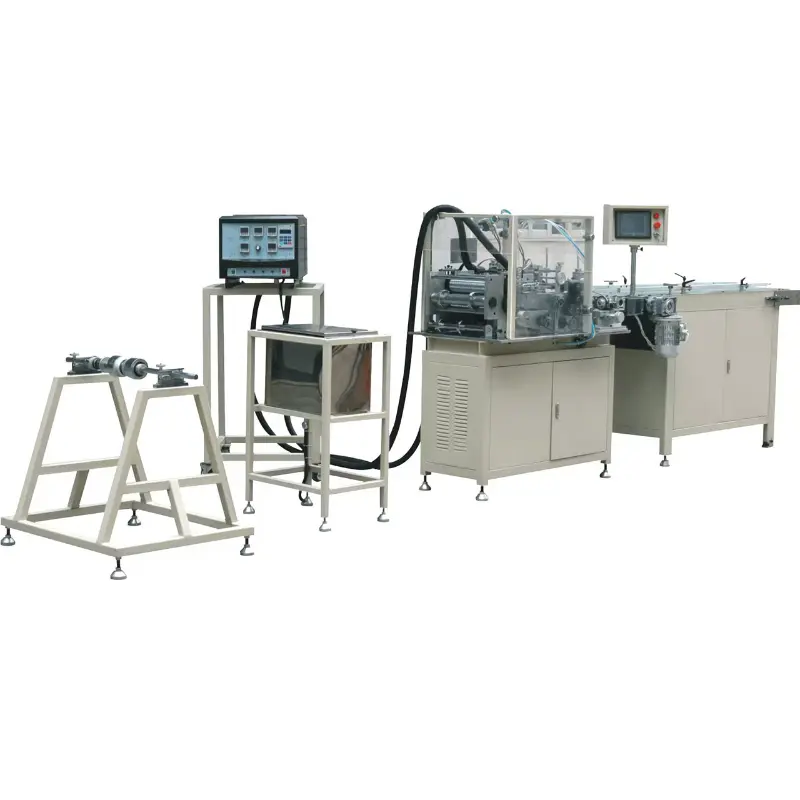
Understanding the specific types of equipment is crucial for selecting the right production line. Here is a breakdown of key machines commonly found in a modern filter manufacturing facility.
Pleating is a fundamental process, especially for air and oil filters. It increases the surface area of the filter media, enhancing its dirt-holding capacity. For instance, Pulan's Full-auto Rotary ECO Filter Paper Pleating Production Line offers speeds of 0–30 meters per minute and handles paper widths up to 420mm. These systems use precise heating and marking rollers to create consistent pleats, ensuring uniform filter performance.
Once the media is pleated, it must be assembled with end caps, seals, and other components. This is where precision gluing and assembly machines come into play. Pulan’s Full-auto Casting Machine On Seal Packing is used for applying Polyurethane (PU) seal packing for automotive air filters and industrial filters. This process, which is critical for creating a leak-proof seal, is fully automated with digital temperature and flow control. Similarly, the Fuel Filter CAV Paper Coiling Machine (PLPQ-120) automates the coiling of filter paper with a production capability of 80–180 pieces per hour, highlighting the shift towards specialized automation.
Quality control is the cornerstone of reliable filter production. Advanced production lines now integrate testing stations to verify structural integrity and performance. According to industry reports, automated systems with integrated monitoring can reduce defect rates significantly—one study showed a reduction from 0.65% to 0.45% after implementing automated monitoring. This proactive approach to quality ensures that only products meeting strict standards reach the customer.
| Machine Type | Primary Function | Key Feature / Example | Typical Application |
|---|---|---|---|
| Pleating Line | Creating folds in filter paper | PLGT-420: Speed 0-30 m/min, width up to 420mm | Automotive air filters, HEPA filters |
| PU Casting Machine | Applying PU seal for end caps | PU-20F: X-Y axis worktable for round/square seals | Auto air filters, industrial filter elements |
| CAV Coiling Machine | Coiling filter paper for cylindrical elements | PLPQ-120: 80-180 pcs/h, Φ50-130mm coil diameter | Fuel filters, oil filters |
| Testing & Inspection | Verifying filter integrity | Integrated monitoring systems | All filter types |
The push towards fully automated production lines is reshaping the filtration industry. Automation is not just about reducing labor costs—it is a strategic move to enhance productivity, improve consistency, and enable scalability. A case study from TYK Filters, a specialist with 70 years of experience, illustrates this well. By redesigning their entire production line based on a "Lean Concept," they achieved a 150% production capacity and an OEE (Overall Equipment Effectiveness) of 85%, all while reducing manpower from 3 to 1.
Filter production equipment serves a vast array of industries, each with specific requirements. Pulan’s flexible solutions cater to this diversity, providing machines that can handle different materials and configurations.
In a market with many equipment suppliers, what makes Pulan a trusted partner? The answer lies in a combination of deep experience, technological innovation, and a customer-centric approach. Founded in 1986, Pulan is not just a manufacturer but a high-tech enterprise with a long history of process know-how. They operate under strict ISO 9001 quality management systems and have amassed numerous national patents, reflecting their commitment to innovation.
Pulan's strength lies in providing both standalone machines and complete, integrated production lines. This flexibility allows them to tailor solutions to a customer's specific filter type, capacity requirements, and even factory floor layout. Furthermore, their comprehensive after-sales support—including installation guidance, remote technical assistance, and spare parts supply—ensures that customers have a long-term partner, not just a supplier. This is crucial for maintaining uptime and productivity in a competitive global market.
Pulan's machinery is versatile and can produce automotive filters, air filters, HEPA filters, industrial filtration elements, and customized products. Configurations are adjusted to meet specific filter designs and production needs.
Both. Pulan offers standalone machines for specific processes as well as fully automated integrated production lines. The recommended solution depends on your process, capacity, and investment plan.
Yes, Pulan provides extensive customization in machine structure, automation level, production capacity, and technical configuration. Their engineers work directly with clients to design equipment that fits their unique manufacturing process.
Every machine is manufactured under strict ISO 9001 quality control procedures and undergoes rigorous inspection and testing before shipment. This ensures stable, reliable, and consistent performance.
Pulan provides comprehensive support including installation guidance, detailed operation manuals, video tutorials, and remote technical assistance. A reliable supply of spare parts and long-term technical service is also ensured.
Drive the Future of Your Filtration Production
With over 35 years of experience and a commitment to innovation, Pulan is your ideal partner for reliable, high-performance filter production equipment. From a single machine to a complete automated line, we provide solutions tailored to your needs.
📞 Contact us today to discuss how we can enhance your manufacturing efficiency and product quality.