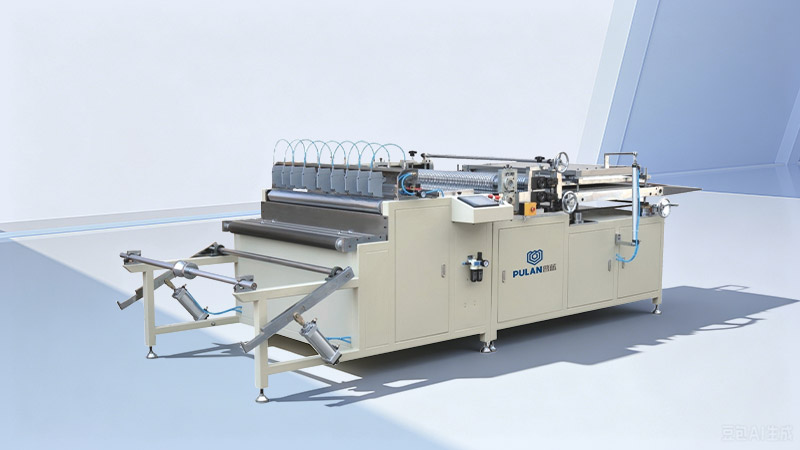
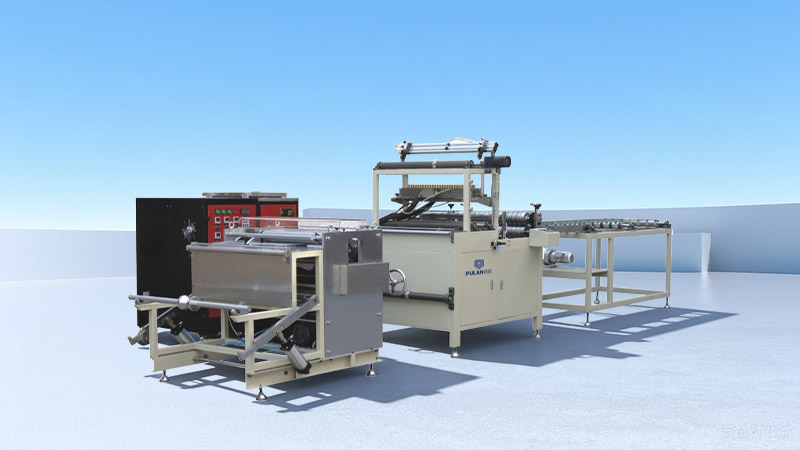
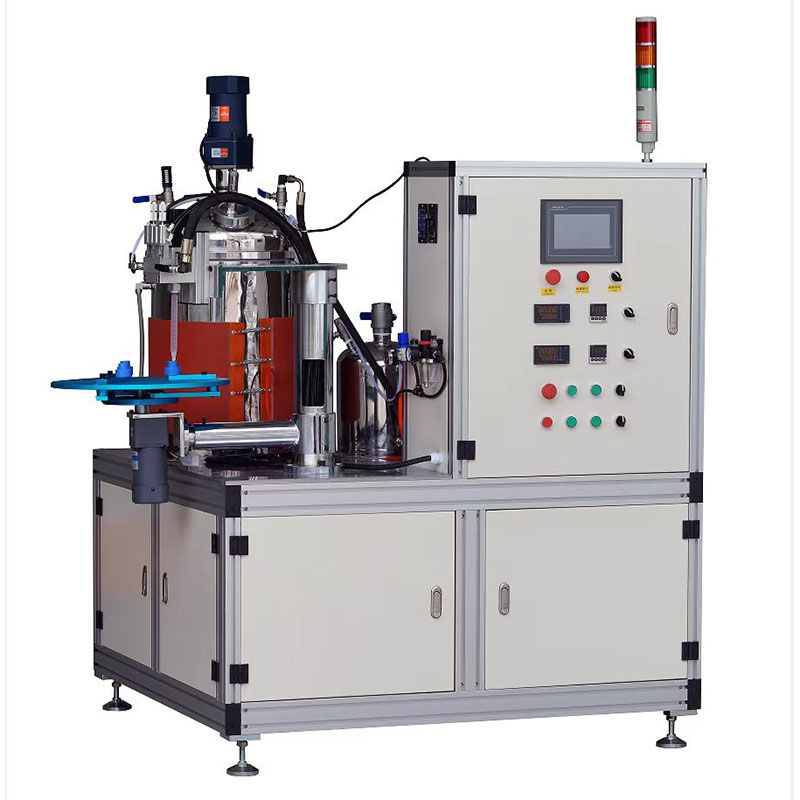
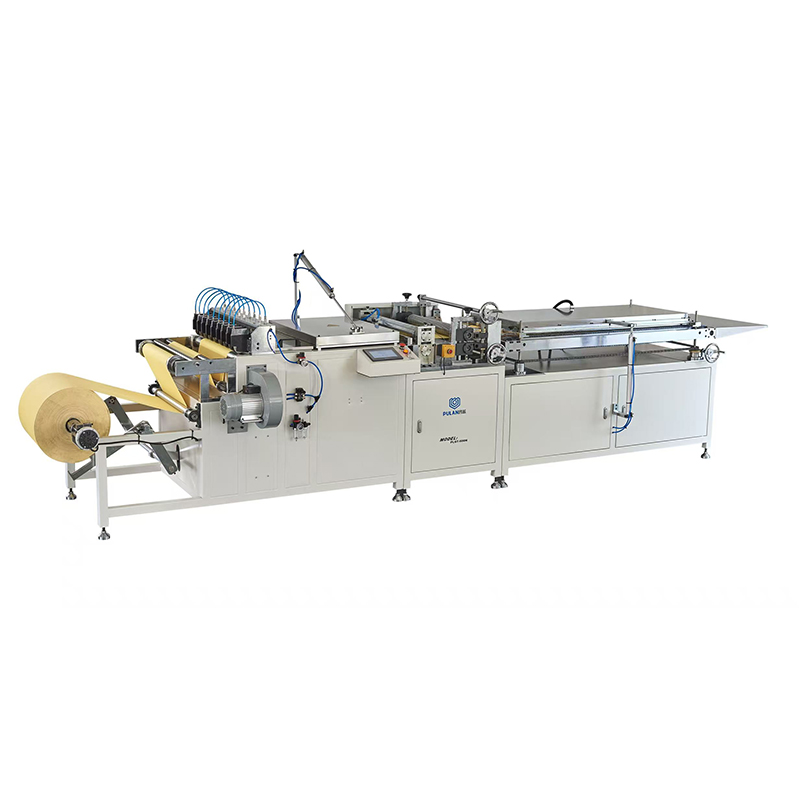
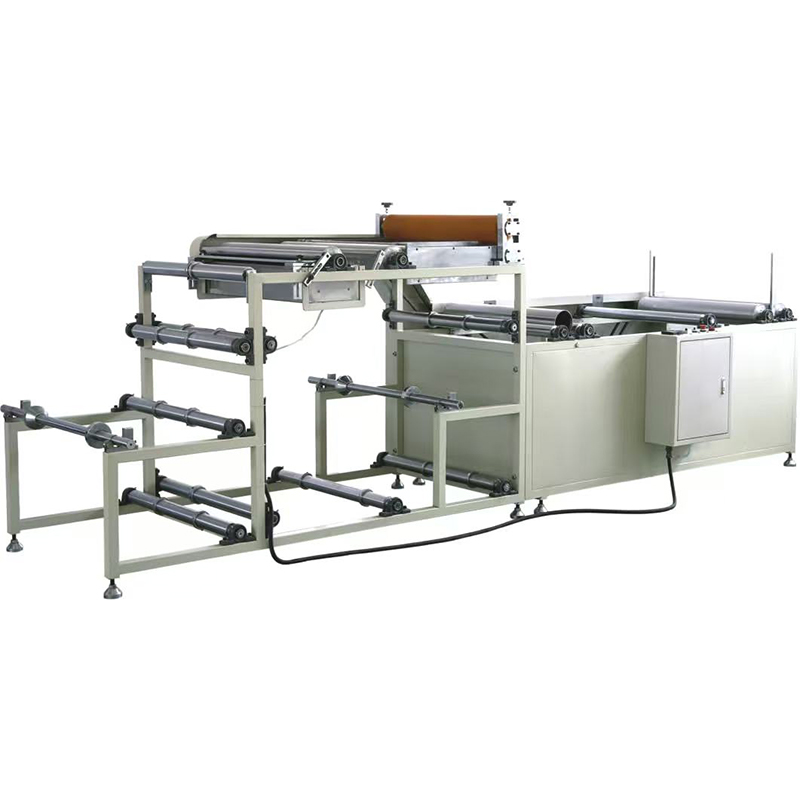
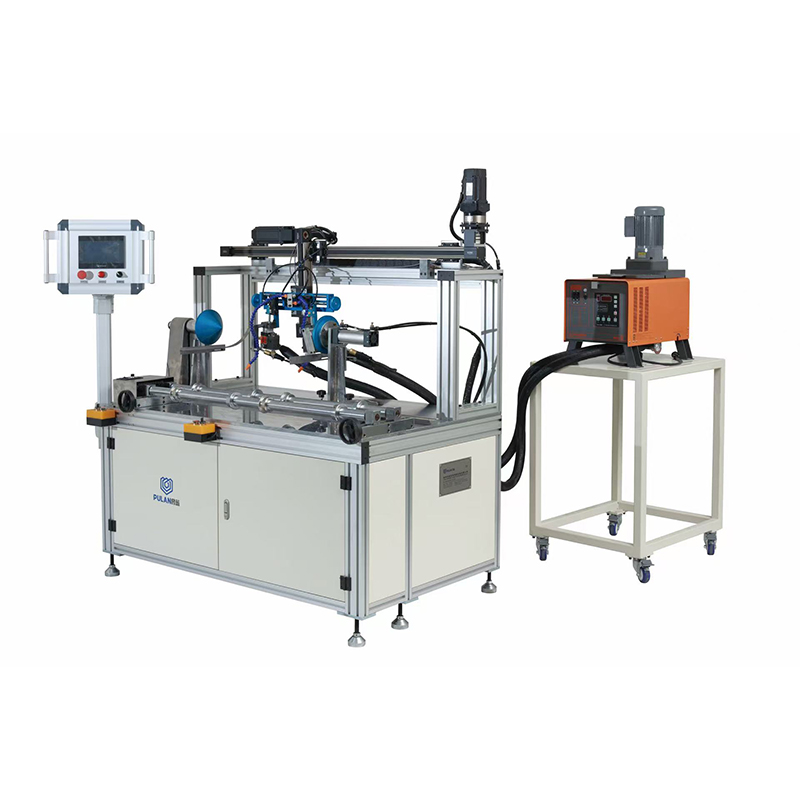
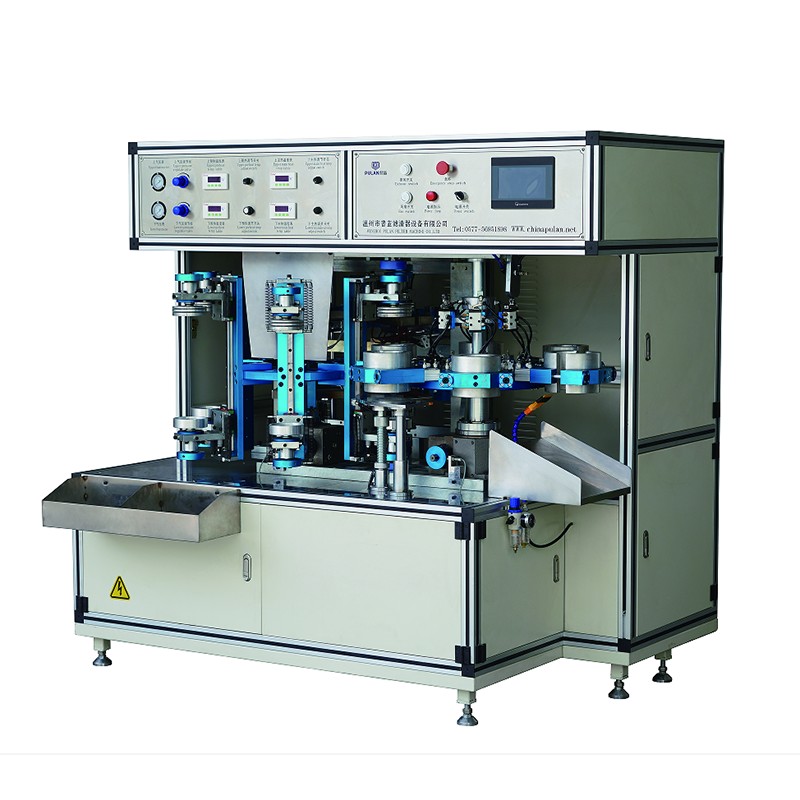
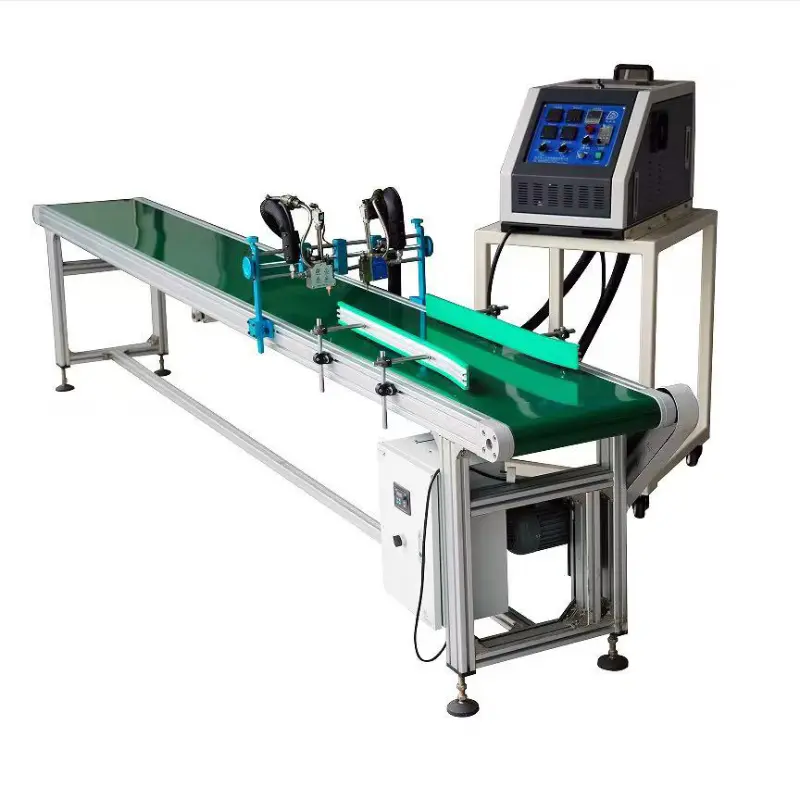
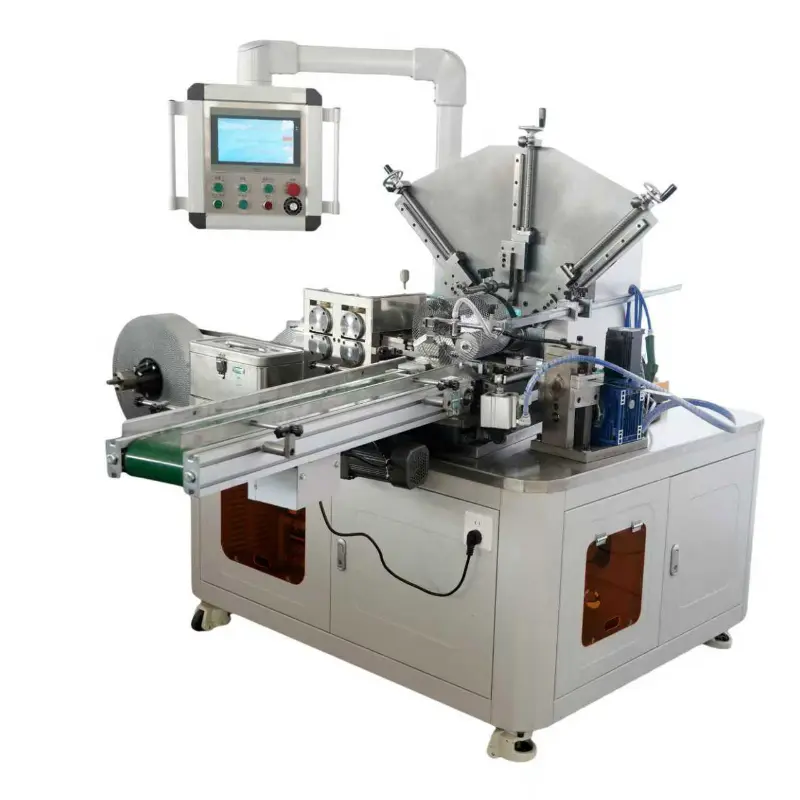
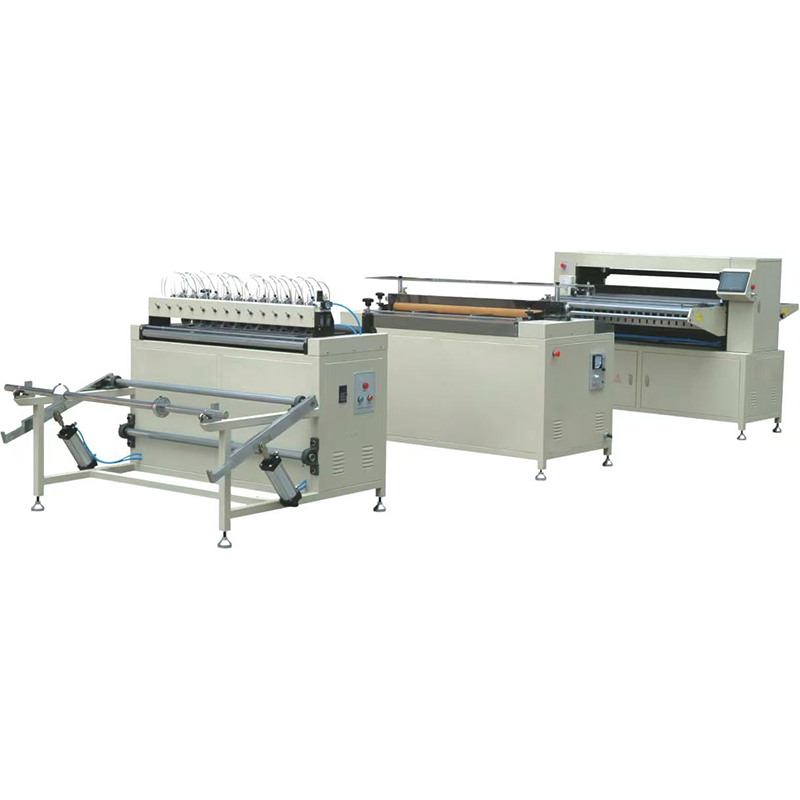
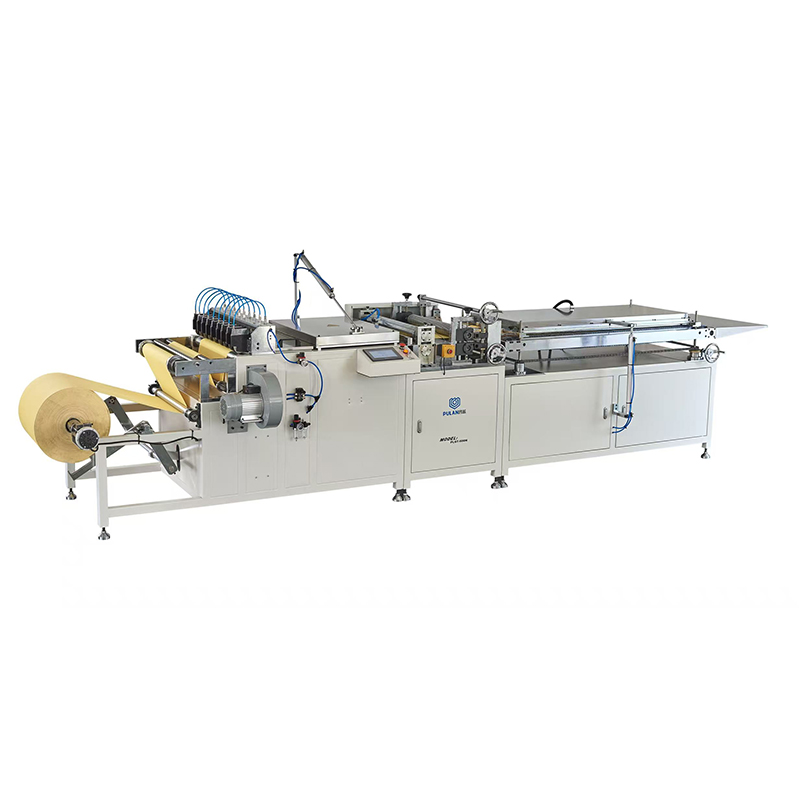
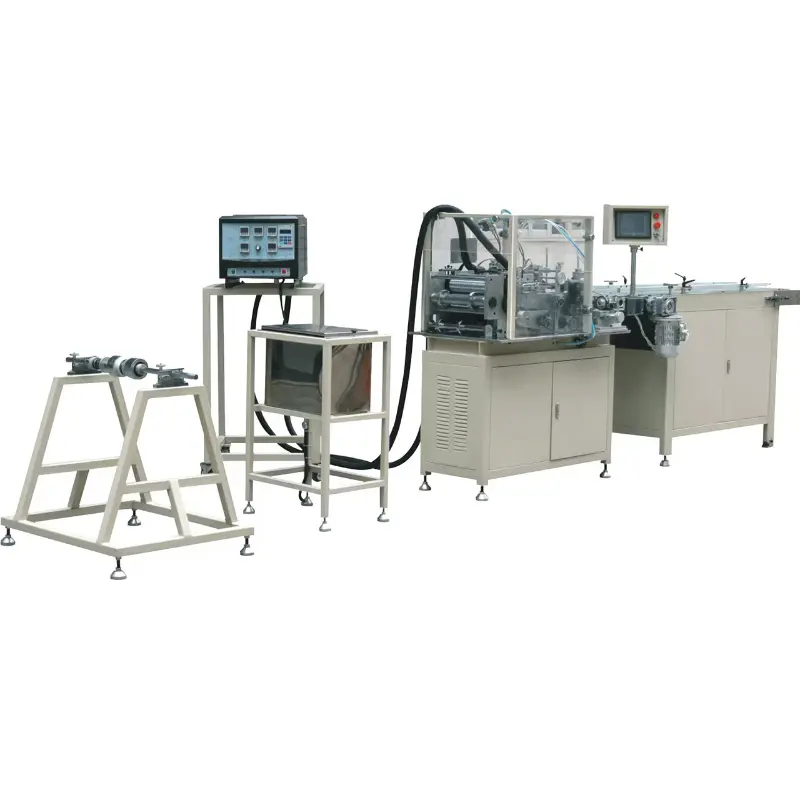
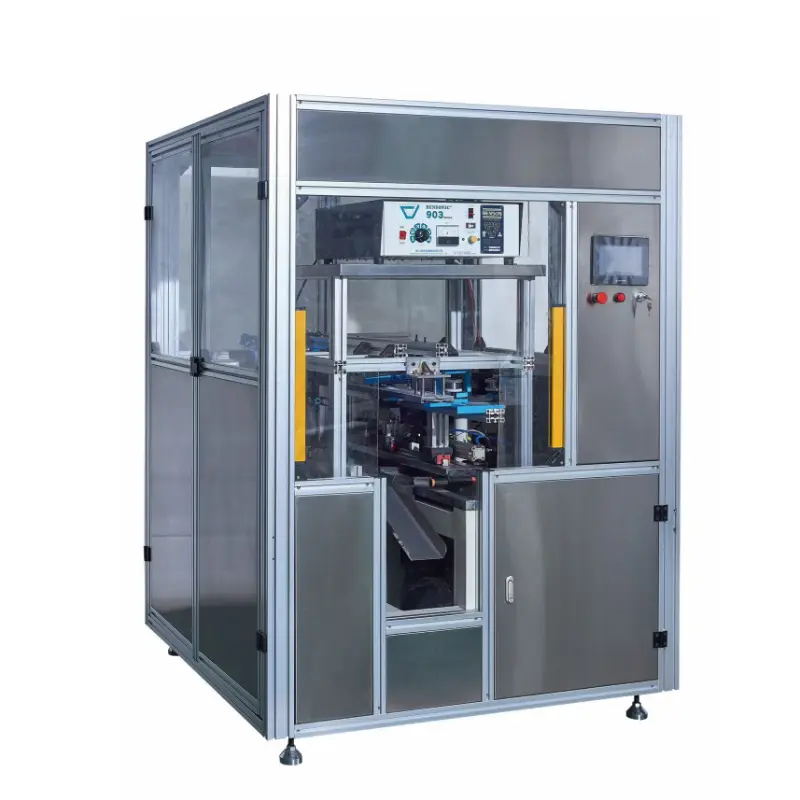
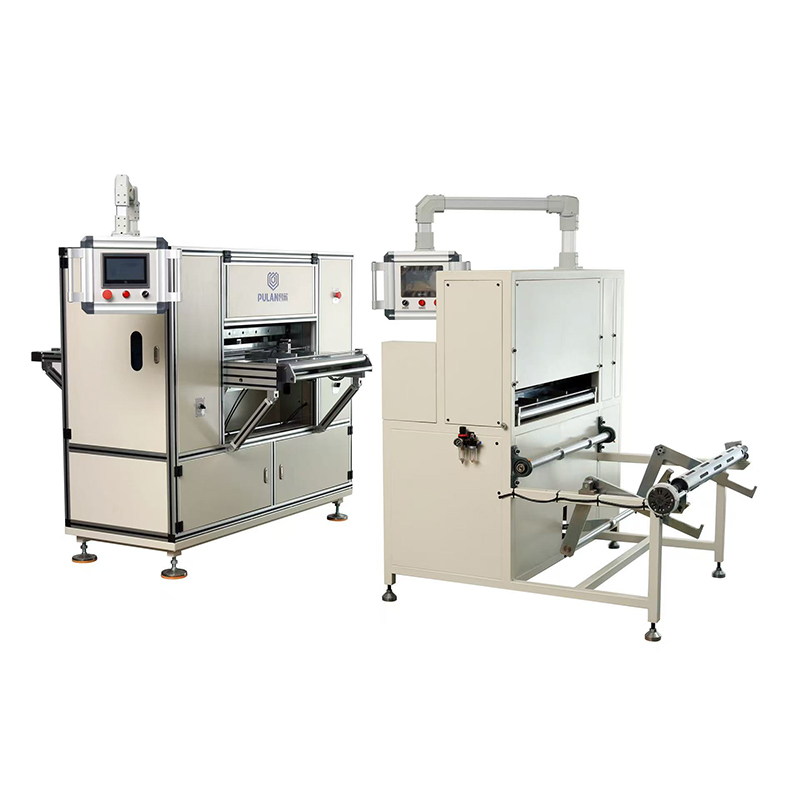
The starting point of filter material production is melt blown molding. The melt blown equipment draws polymer melt through high-temperature airflow, forming micrometer sized ultrafine fibers and depositing them on the receiving device.
There are three key controls: temperature determines the fluidity of the melt, too high will produce "flying fluff", and too low will lead to coarse fibers; The velocity of hot air flow directly affects the diameter and uniformity of fibers; The receiving distance changes the fluffiness and filtration efficiency of the fibers.
A common misconception is to only focus on weight and ignore fiber distribution. In actual production, if the fiber diameter deviates by 5 microns, the filtration accuracy may be one level lower. It is recommended to first inspect the fiber morphology through an electron microscope after each batch is turned on, and then adjust the process parameters. In addition, the melt blown mold head needs to be regularly cleaned of carbides, otherwise it is easy to produce "crystal points" or "melt lumps", causing local perforation of the filter material.
Mastering these three core parameters and maintenance points can achieve a better balance between the initial resistance and dust holding capacity of the filter material.
We use cookies to offer you a better browsing experience, analyze site traffic and personalize content. By using this site, you agree to our use of cookies.Privacy Policy